Physicians made their plea in in the February issue of the JACR, which is focused on the “Economics of Education,” and meant to spark “dialogue around how radiology education is valued, supported and delivered.”
The federal payment program and its third-party partner, Acumen LLC, are now sending surveys to imaging groups that administered 10 or more screening mammograms in 2024.
Although uncommon and typically not life-threatening, hypersensitivity reactions have increased in recent decades alongside the significant rise in CT use.
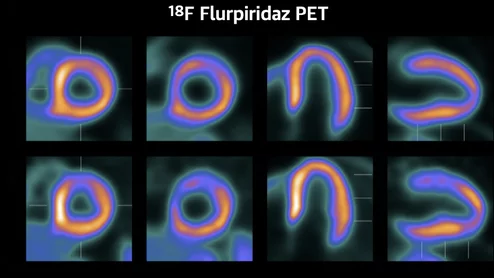
One of the tracer’s more significant advantages is its extended half-life of 109 minutes—significantly longer than other currently available PET MPI imaging agents.
Last month, the insurance giant announced it will begin charging hospitals a 10% administrative penalty for claims that involve docs outside of its networks.
The country’s largest imaging group is buying Palo Alto, California-based Cognita Imaging Inc., which was founded by scientists at Stanford University.
As radiology departments across the US continue to navigate the complexities of the current imaging market, including disruptions in supply chains and increased demand for CT contrast media, one constant remains: the need for reliable, quality supply partners to help sustain patient care.
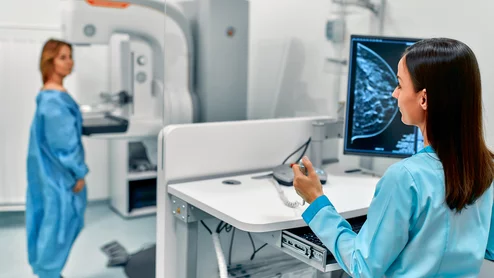
Thanks to AI, clinicians can use mammograms to do a lot more than identify signs of breast cancer. Researchers explored data from nearly 50,000 patients, presenting their findings in Heart.