Despite diagnostic imaging leading with over 1,000 FDA-cleared AI tools, the Bureau of Labor Statistics expects radiology to see 5% job growth through 2034.
NQF, a nonprofit organization working to improve healthcare outcomes, has singled out “patient harm associated with an MRI-related thermal injury” as an important area of concern.
The duo plan to establish a global center of excellence in theranostics, taking advantage of Siemens’ state-of-the-art technology and software to advance the use of radiopharmaceuticals in cancer care.
Physicians made their plea in in the February issue of the JACR, which is focused on the “Economics of Education,” and meant to spark “dialogue around how radiology education is valued, supported and delivered.”
The federal payment program and its third-party partner, Acumen LLC, are now sending surveys to imaging groups that administered 10 or more screening mammograms in 2024.
Many cardiologists overseas contend they should be the ones reading these exams, citing radiologists’ lack of clinical context as a key factor, especially for remote reads.
As radiology departments across the US continue to navigate the complexities of the current imaging market, including disruptions in supply chains and increased demand for CT contrast media, one constant remains: the need for reliable, quality supply partners to help sustain patient care.
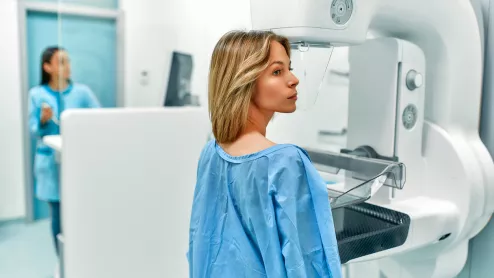
Thanks to AI, clinicians can use mammograms to do a lot more than identify signs of breast cancer. Researchers explored data from nearly 50,000 patients, presenting their findings in Heart.