HI homepage

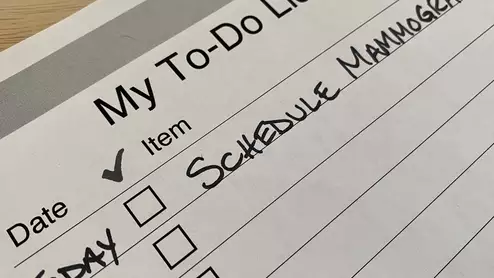
breast cancer mammography screening mammogram scheduling
American College of Radiology criticizes prominent study pushing for new approach to breast cancer screening

Published Friday in JAMA, scientists recently explored a risk-based mammography tactic that tailors regular imaging regimens to each individual’s danger of developing the disease. 

statue justice legal verdict malpractice case lawsuit scale
Class action lawsuit claims imaging agent developer Telix Pharmaceuticals misled investors

Alleged transgressions took place between February and August, including the FDA rejecting Telix’s application for a new brain cancer imaging agent. 

Dual-energy CT systems allow for significant reduction in contrast dose

DECT systems allow for a contrast dose reduction of up to 25% during computed tomography pulmonary angiography exams.

artificial intelligence AI heart cardiology
Dozens of new AI-powered devices make FDA's list of approvals
The list, which was updated during the first week of December, now contains over 1,300 artificial intelligence-enabled medical devices.  

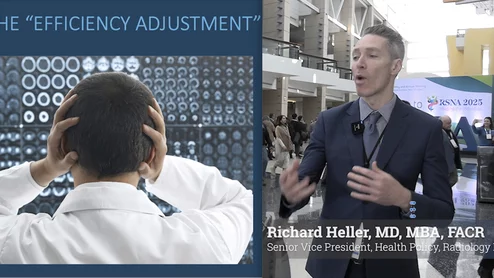
Richard Heller, MD, MBA, FACR, senior vice president of health policy at Radiology Partners, and involved in policy advocacy with the American College of Radiology (ACR) and the Radiological Society of North America (RSNA), explains the key policy issues impacting radiology, including the CMS efficiency cuts and unfair policies by Anthem insurance.
Radiology policy shifts threaten patient access and physician sustainability

Radiology Partners' Richard Heller, MD, MBA, outlined several mounting policy pressures providers face heading into 2026.

Thumbnail
White House executive order aims to curb ‘excessive’ state regulation of AI

President Donald Trump wants to establish an AI Litigation Task Force to challenge any AI laws that may “harm innovation.” 

Around the web

RadNet Chaiman and CEO Howard Berger, MD, explains why the company has invested tens of millions into DeepHealth to rapidly build up a new business model. 


Thanks to AI, clinicians can use mammograms to do a lot more than identify signs of breast cancer. Researchers explored data from nearly 50,000 patients, presenting their findings in Heart.

A new analysis is prompting questions regarding how rigorously many of the AI-enabled tools approved by the U.S. Food and Drug Administration are evaluated prior to their clearance.