HI homepage
Trending

AI-powered brain tumor segmentation tool earns clearance in US

Neuroimaging utilization in emergency departments has increased year-over-year for a decade
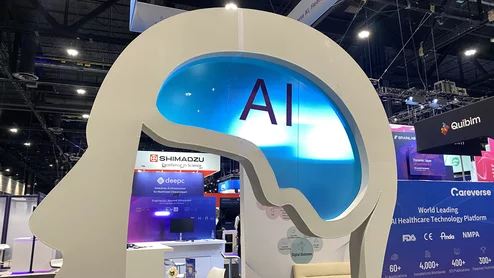
Radiology gets 68 new FDA-cleared algorithms

Governor signs law requiring insurers to cover all lung cancer screening services

Significant portion of stat MRI orders are not actually urgent

Telix and Siemens Healthineers partner to advance oncologic therapies
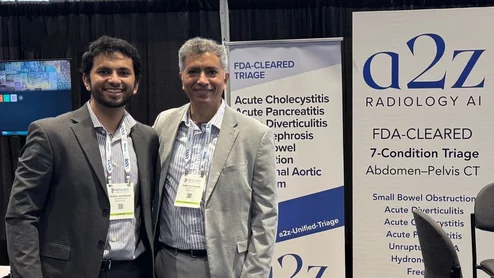
Imaging artificial intelligence startup a2z Radiology raises $5M, scores 1st FDA clearance

Private equity-backed oncology network hires noted radiologist as medical director, in-house reader

Sectra signs 2 enterprise imaging contracts totaling over $40M