HI homepage

money maze payment reimbursement
Radiology societies join initiative to fight payer restrictions around key interventional service

ACR, SIR and others altogether representing over 100,000 physicians recently wrote to 5 of the 7 Medicare Administrative Contractors to voice their concerns. 

vituity
Multispecialty physician group expands into imaging by adding 36-rad private practice
Northern California-based Vituity, which is led and owned by doctors, said it has reached a deal to partner with Focused Medical Imaging. 

UCLA Health
UCLA launches ‘first of its kind’ new standalone Department of Nuclear Medicine and Theranostics
“Becoming an independent department elevates this work and strengthens UCLA’s role in shaping the future of precision health," said the department's new acting chairman. 

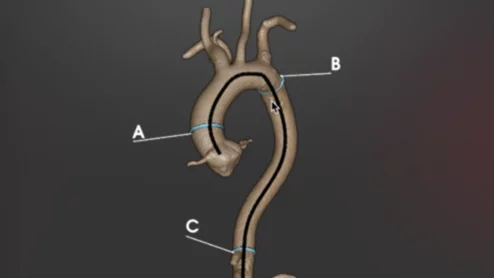
RapidAI's opportunistic aortic management tool earns FDA clearance
FDA clears RapidAI's opportunistic aortic management tool

The solution can assess the aorta on any CT scan that offers visualization of it, including post-treatment and unenhanced noncontrast studies. 

Thumbnail
New data highlight 'systemic inconsistencies' in documentation of contrast reactions
Although uncommon and typically not life-threatening, hypersensitivity reactions have increased in recent decades alongside the significant rise in CT use. 

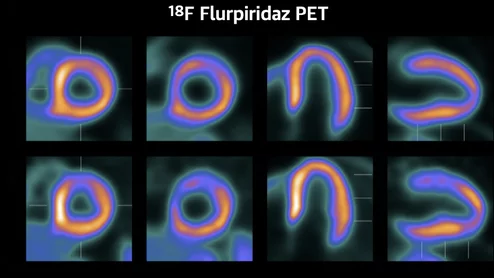
The new cardiac PET radiotracer flurpiridaz F-18 is posed to be a major game changer and will likely lead to increased adoption of cardiac PET.
Largest network of private cardiology groups in US to deploy GE HealthCare's cardiac PET tracer

One of the tracer’s more significant advantages is its extended half-life of 109 minutes—significantly longer than other currently available PET MPI imaging agents.

Around the web

RadNet Chaiman and CEO Howard Berger, MD, explains why the company has invested tens of millions into DeepHealth to rapidly build up a new business model. 


Thanks to AI, clinicians can use mammograms to do a lot more than identify signs of breast cancer. Researchers explored data from nearly 50,000 patients, presenting their findings in Heart.

A new analysis is prompting questions regarding how rigorously many of the AI-enabled tools approved by the U.S. Food and Drug Administration are evaluated prior to their clearance.