HI homepage

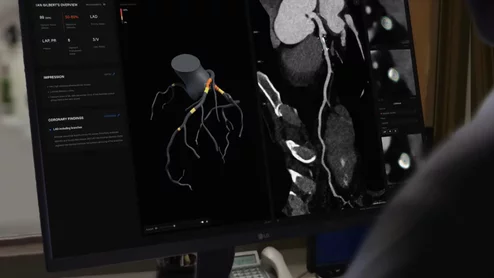
Australia-based Artrya Limited said its Salix Coronary Plaque module AI-powered cloud platform offers near-real time, point-of-care CCTA assessment and management of coronary artery disease.

Australia-based Artrya Limited says its AI-enabled Salix Coronary Plaque module offers near real-time, point-of-care CCTA assessment and management of coronary artery disease. 

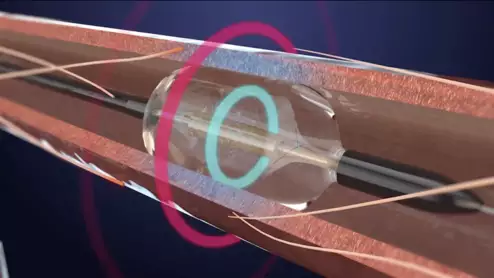
The U.S. Food and Drug Administration (FDA) has approved Recor Medical’s Paradise Ultrasound Renal Denervation (RDN) system for uncontrolled hypertension. The Recor system gained FDA clearance in November 2023.

In patients with treatment-resistant hypertension, the procedure has the potential to produce sustained blood pressure reductions for 36 months or longer. 

interventional ultrasound

Removals are routinely completed in outpatient offices, but occasionally when complications make them more challenging, providers turn to additional tools for assistance. 

cat feline kitty meow meow

Researchers at the University of Edinburgh found that cats with dementia, like humans, have protein buildup in synapses that impacts cognitive function and memory.

gamification of radiology education

Radiology residents can receive meaningful clinical training via game playing—and they largely appreciate the experience, new research shows.

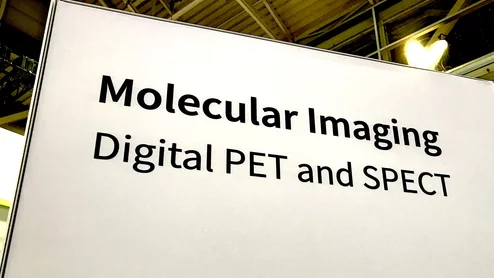
Molecular Imaging PET and SPECT sign in GE booth ACC23.

Greg Piefer, PhD, chief executive and founder of SHINE, a Wisconsin-based radiopharmaceutical company that is building the world’s largest medical isotope production facility in Janesville, Wisconsin, explains progress on the company's fusion reactor that will become the first U.S. commercial supplier of molybdenum-99 in decades.

Around the web

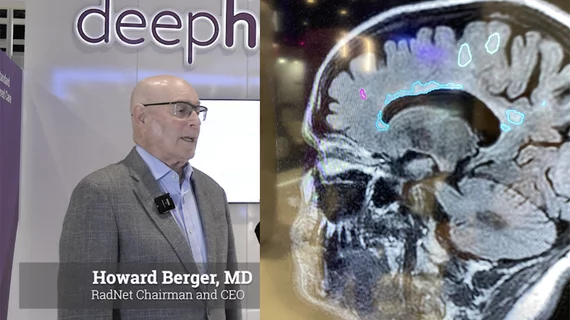
RadNet Chaiman and CEO Howard Berger, MD, explains why the company has invested tens of millions into DeepHealth to rapidly build up a new business model. 


Thanks to AI, clinicians can use mammograms to do a lot more than identify signs of breast cancer. Researchers explored data from nearly 50,000 patients, presenting their findings in Heart.

A new analysis is prompting questions regarding how rigorously many of the AI-enabled tools approved by the U.S. Food and Drug Administration are evaluated prior to their clearance.