HI homepage

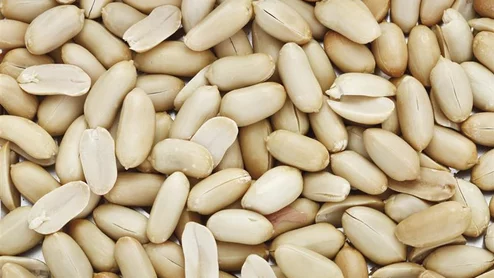
Eating unsalted peanuts improves the brain's vascular health
MRIs show how peanut consumption improves the brain's vascular function
Consistently incorporating unsalted peanuts into a person’s diet enhances cerebral blood flow to multiple brain regions. 

prior authorization claim deny denial insurance insurer payer Medicare Advantage
Society of Interventional Radiology urges UHC to update policy on radioembolization treatment

SIR contends that payments toward transarterial radioembolization (TARE)/selective internal radiation therapy (SIRT) should extend beyond the current coverage limitations in patients with liver cancer and metastases. 

artificial intelligence AI explainable ethical responsible
Monitoring, reimbursement and transparency—ACR offers White House recs for AI regulation

ACR’s input is included as part of America’s AI Action Plan, which was created to help implement emerging AI technologies into everyday workflows. 

radiologist radiology pay compensation money dollar
Novel CT power-save mode could cut nationwide CT costs by $1.5M
Investigators with University Hospital Basel, Switzerland, recently explored the use of a “promising” new option that reduces energy consumption during brief, inter-examination idle intervals. 

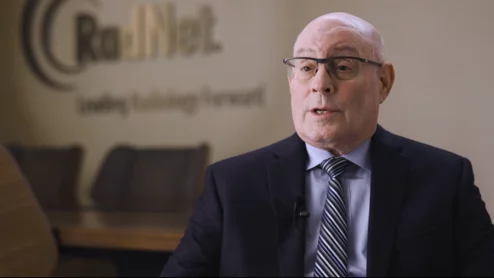
RadNet CEO Howard Berger
RadNet acquires remote MRI scanning solutions provider Alpha RT
The company offers a suite of services including AI-powered safety monitoring in case something goes wrong in the MRI suite, staffing, training and certification. 

doctor wrong patient wrong-site surgery medical error malpractice mistake
Popular LLMs confidently fail at answering image-based board questions

Updated large language models have been trained to process both text- and image-based questions, potentially making them more effective in radiology settings. 

Around the web

RadNet Chaiman and CEO Howard Berger, MD, explains why the company has invested tens of millions into DeepHealth to rapidly build up a new business model. 


Thanks to AI, clinicians can use mammograms to do a lot more than identify signs of breast cancer. Researchers explored data from nearly 50,000 patients, presenting their findings in Heart.

A new analysis is prompting questions regarding how rigorously many of the AI-enabled tools approved by the U.S. Food and Drug Administration are evaluated prior to their clearance.