HI homepage

radiology structured reporting data mining

Artificial intelligence tools in radiology require constant monitoring to ensure model performance remains consistent.

doctor looking at CLTI patient's leg

The procedure reduces inflammation and pain, and allows patients to achieve relief without having to undergo surgery and months of physical therapy during recovery. 

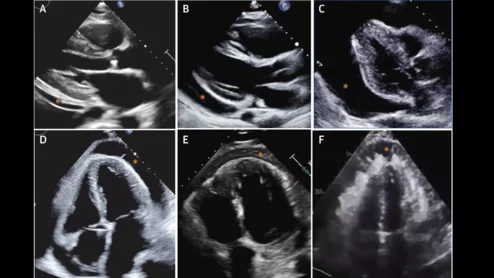
Pericardial Effusion Sizing Evaluation by Echocardiography. Representative (A) small, (B) moderate, and (C) large PEffs (∗). Representative (D) simple PEff with fibrin strands, (E) exudative PEff, and (F) malignant PEff (∗) caused by pericardial mesothelioma. Adapted with permission from Klein et al. Images and caption courtesy of the American College of Cardiology and JACC.pericarditis cardiac imaging

Pericarditis, inflammation of the pericardium, accounts for approximately 5% of all emergency department evaluations for chest pain. These new recommendations are designed to help guide clinicians through the ins and outs of patient care. 

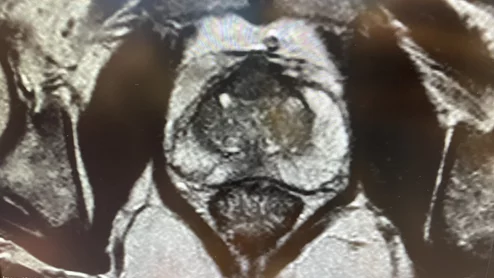
Prostate MRI on Sectra PACS, HIMSS23.

A large study is shining a light on problematic racial disparities with respect to imaging utilization in men with suspected prostate cancer. 

Many also believe AI may be even more accurate than physicians when it comes to detecting imaging abnormalities.

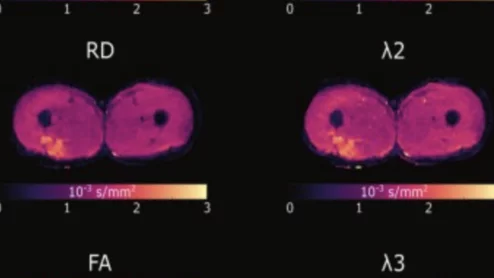
DTI improves return to play protocols

DTI use could enable providers to make more informed decisions about athletes’ readiness to re-enter competition. 

Around the web

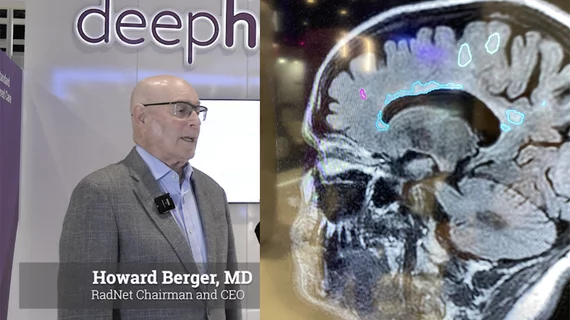
RadNet Chaiman and CEO Howard Berger, MD, explains why the company has invested tens of millions into DeepHealth to rapidly build up a new business model. 


Thanks to AI, clinicians can use mammograms to do a lot more than identify signs of breast cancer. Researchers explored data from nearly 50,000 patients, presenting their findings in Heart.

A new analysis is prompting questions regarding how rigorously many of the AI-enabled tools approved by the U.S. Food and Drug Administration are evaluated prior to their clearance.