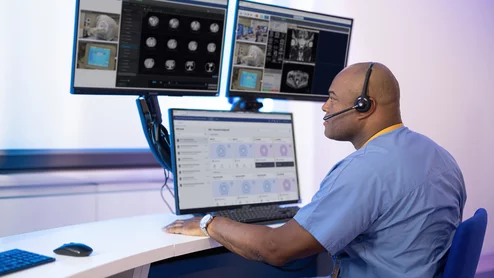
The Magnolia, Texas, firm has seen rapid growth in recent years, being named to the Deloitte Technology Fast 500 in 2024 after logging revenue growth of 212% over a three-year period.
Sens. Tim Kaine, D-Va., and John Boozman, R-Ark., have introduced legislation to lift "arbitrary" caps on compensation for therapeutic and diagnostic medical physicists working in the VA.
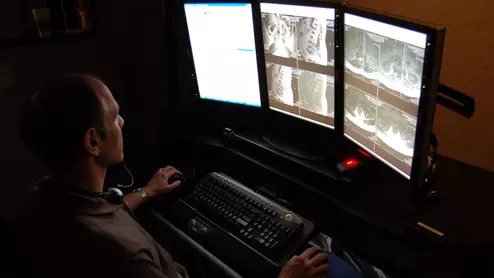
Image interpretation can be one major source of variability, with some radiation oncologists forced to read MR, CT and other exams during the RT planning process.
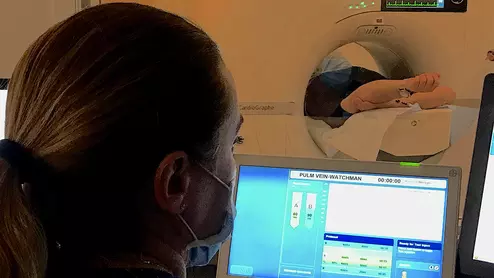
A new AHRA report provides an in-depth overview of concerns related to remote operations, highlighting everything from safety issues to regulatory oversight.
RBMA President Peter Moffatt discusses declining reimbursement rates, recruiting challenges and the role of artificial intelligence in transforming the industry.
As radiology departments across the US continue to navigate the complexities of the current imaging market, including disruptions in supply chains and increased demand for CT contrast media, one constant remains: the need for reliable, quality supply partners to help sustain patient care.
Thanks to AI, clinicians can use mammograms to do a lot more than identify signs of breast cancer. Researchers explored data from nearly 50,000 patients, presenting their findings in Heart.