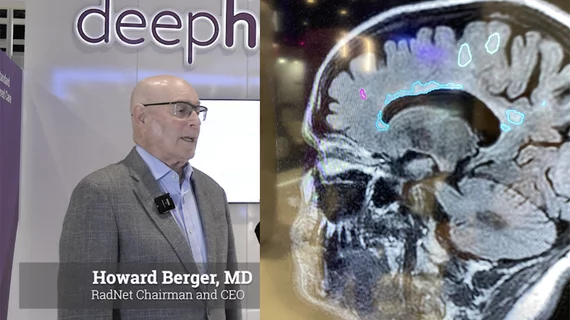
RadNet Chaiman and CEO Howard Berger, MD, explains why the company has invested tens of millions into DeepHealth to rapidly build up a new business model.
With eight Democrats agreeing to the Republican-backed deal that reverses the firings of federal workers, the Senate now has the 60 votes needed for the bill to advance. The rehirings will include the 1,200 workers fired at the Department of Health and Human Services.
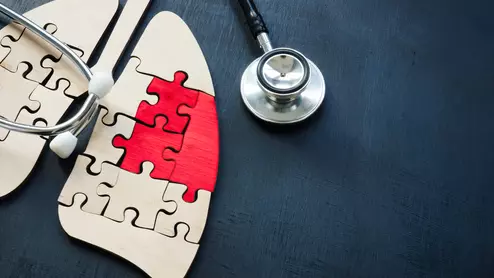
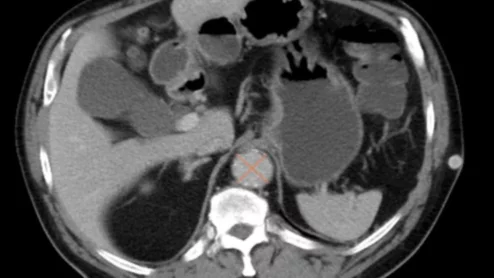
For many patients with interstitial lung disease, cancer could go undetected for years, putting them at risk of disease progression that would require more extensive treatment.
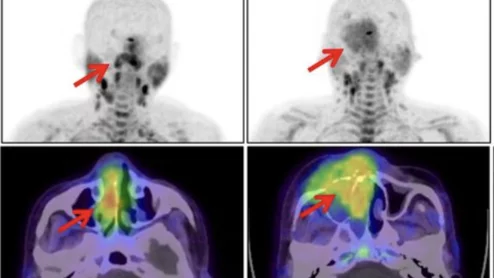
The designation was awarded to a research team from China, who analyzed the efficacy of a novel radiotracer developed to target expression of the PD-L1 protein in suspected head and neck cancers.
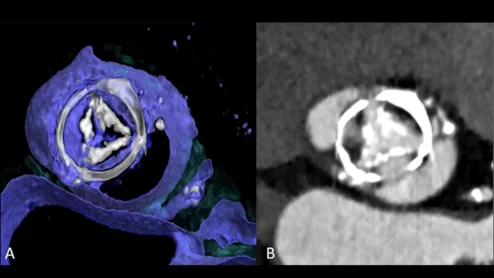
RSNA and several other industry societies have shared a new expert consensus document on the significant value of cardiac CT. Echo remains an effective first-line imaging option, the groups wrote, but CT can make a big impact as well.
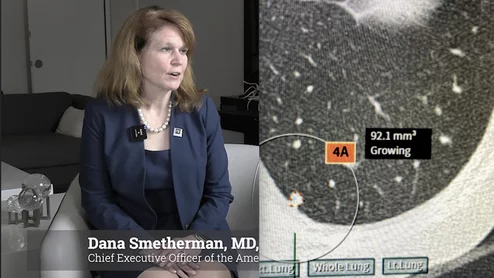
Dana Smetherman, MD, CEO of the American College of Radiology, discusses the policy, which urges for more robust promotion of low-dose CT as a public health tool.
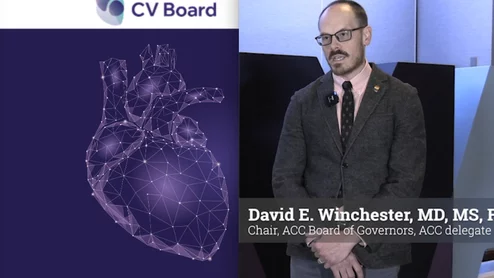
After their proposal for a new American Board of Cardiovascular Medicine was shot down earlier this year, cardiology groups have asked the AMA for some support. "We feel like it's time for us to blaze our own path," one specialist explained.
RadNet Chaiman and CEO Howard Berger, MD, explains why the company has invested tens of millions into DeepHealth to rapidly build up a new business model.
Thanks to AI, clinicians can use mammograms to do a lot more than identify signs of breast cancer. Researchers explored data from nearly 50,000 patients, presenting their findings in Heart.
A new analysis is prompting questions regarding how rigorously many of the AI-enabled tools approved by the U.S. Food and Drug Administration are evaluated prior to their clearance.