HI homepage

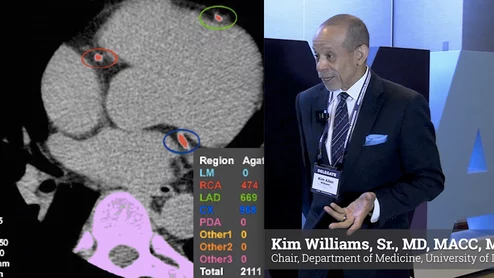
Former American College of Cardiology (ACC) president Kim Allan Williams, Sr., MD, MACC, MASNC, FAHA, FESC, chair, department of medicine, University of Louisville School of Medicine, and an ACC delegate to the American Medical Association House of Delegates, discusses AMA Resolution 404 aimed at improving public awareness of low-dose CT lung cancer screening that can also identify coronary artery disease (CAD) ate the same time.

Former American College of Cardiology president Kim Allan Williams, Sr., MD, an ACC delegate to the American Medical Association House of Delegates, discusses an AMA resolution aimed at improving public awareness of low-dose CT lung cancer exams that can screen for coronary artery calcium at the same time. 

prostate PSMA

With prostate MRI assessments now being utilized more frequently, experts suggest AI could offer a more sustainable approach to managing growing workloads.

Female Medical Research Scientist Working with Brain Scans

These actions represent "a significant threat to the integrity of radiology research," authors of a new analysis caution.

Artificial intelligence could serve as an effective tool for determining which patients may need additional breast MRI sequences mid-protocol.

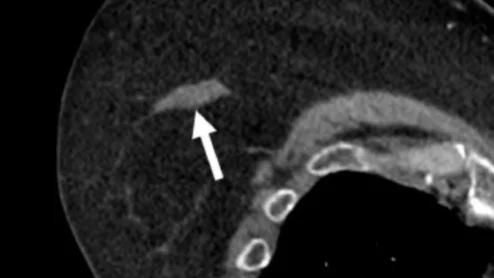
AI detects incidental breast lesions on routine CT scans

Prior research has suggested that these incidental lesions turn out to be cancerous in up to 70% of cases, making their timely detection critical. 

Prescription drugs pharmacy law

The rad was responsible for overseeing the maintenance, distribution and documentation of controlled substances coming through his healthcare organization. 

Around the web

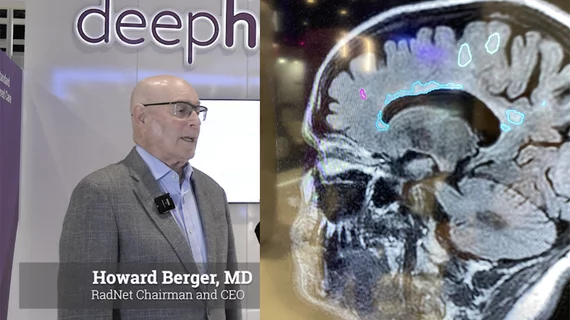
RadNet Chaiman and CEO Howard Berger, MD, explains why the company has invested tens of millions into DeepHealth to rapidly build up a new business model. 


Thanks to AI, clinicians can use mammograms to do a lot more than identify signs of breast cancer. Researchers explored data from nearly 50,000 patients, presenting their findings in Heart.

A new analysis is prompting questions regarding how rigorously many of the AI-enabled tools approved by the U.S. Food and Drug Administration are evaluated prior to their clearance.