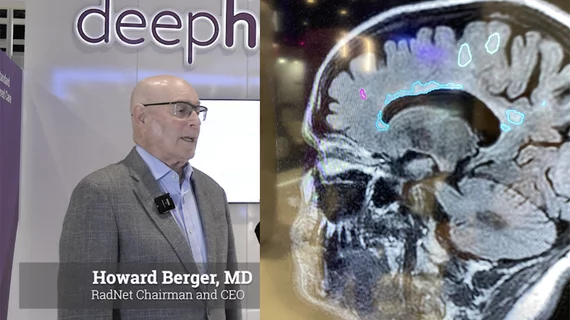
RadNet Chaiman and CEO Howard Berger, MD, explains why the company has invested tens of millions into DeepHealth to rapidly build up a new business model.
With eight Democrats agreeing to the Republican-backed deal that reverses the firings of federal workers, the Senate now has the 60 votes needed for the bill to advance. The rehirings will include the 1,200 workers fired at the Department of Health and Human Services.
For many patients with interstitial lung disease, cancer could go undetected for years, putting them at risk of disease progression that would require more extensive treatment.
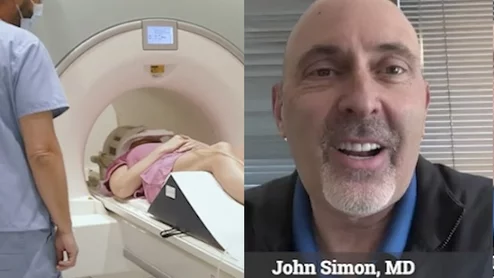
John Simon, MD, CEO of SimonMed Imaging, says imaging has considerably advanced for noninvasive detection of disease and it may be time for it to play a greater role in annual physicals, especially in executive physical exams.
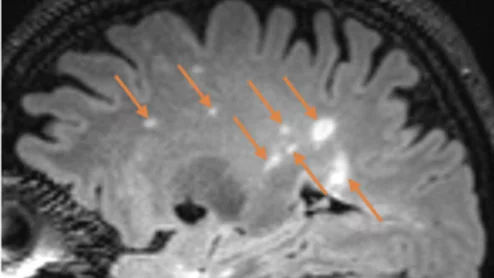
The use of MRI and the “rule of 6” could significantly reduce the number of patients requiring lumbar punctures to diagnose the neurological condition.
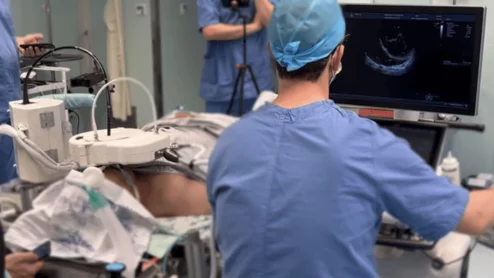
Researchers believe a new robotic TEE system could improve the long-term health of interventional echocardiographers in addition to several other key benefits.
RadNet Chaiman and CEO Howard Berger, MD, explains why the company has invested tens of millions into DeepHealth to rapidly build up a new business model.
Thanks to AI, clinicians can use mammograms to do a lot more than identify signs of breast cancer. Researchers explored data from nearly 50,000 patients, presenting their findings in Heart.
A new analysis is prompting questions regarding how rigorously many of the AI-enabled tools approved by the U.S. Food and Drug Administration are evaluated prior to their clearance.