HI homepage

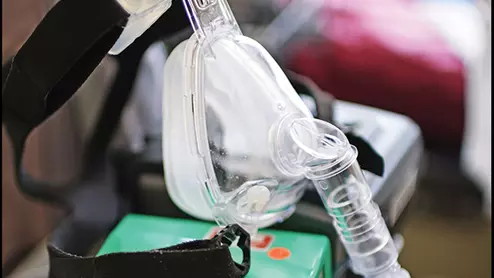
Obstructive sleep apnea during the rapid-eye-movement stage of sleep could be causing damage to parts of the brain that control memory and cognition.

Lawyer dies after severe allergic reaction to contrast media.

If President Trump initiates a 25% tariff against pharmaceuticals imported from Ireland, it might impact the price for X-ray iodine contrast agents in the U.S. depending what rules are put in place.

doctor comparing the costs of different medical treatments

Integrating AI-based delegation tools into breast cancer screening settings could result in significant cost savings for organizations.

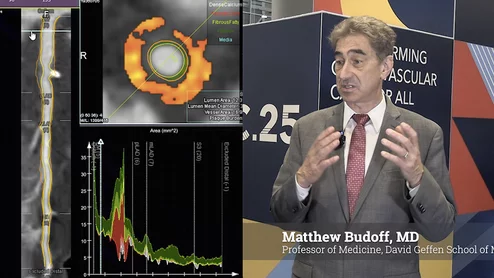
Matthew Budoff explains use of CCTA to track coronary disease plaque progression

Matthew Budoff, MD, detailed new data highlighting CCTA's value when it comes to tracking the progression of coronary atherosclerosis.

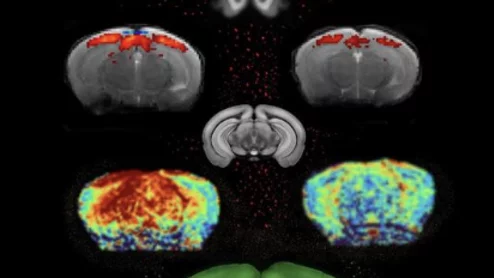
MRI biomarkers could signal early onset of Parkinson's.

Using one of the most powerful MRI scanners to date, researchers believe they have identified subtle neural changes in the brain that precede Parkinson’s disease. 

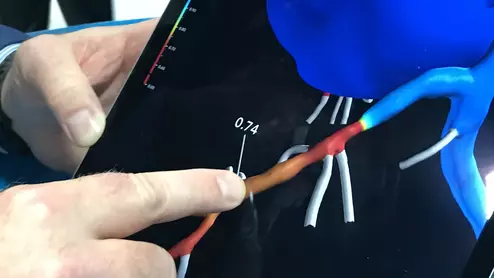
An example of HeartFlow's FFR-CT technology, which takes the cardiac CT dataset and uses computational fluid dynamics to create virtual fraction flow reserve values. The FFR measurement can help determine if a coronary lesion is significant enough to require revascularization, or if the patient should be treated with medication. FFR-CT was included as a recommendation in select patients in the 2021 Chest Pain Guidelines.

This two-year analysis of the FISH&CHIPS study found that using advanced AI from Heartflow to evaluate cardiac CT is safe, effective and limits the use of unnecessary follow-up tests.

Around the web

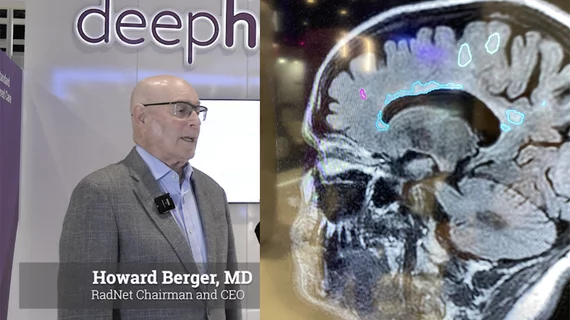
RadNet Chaiman and CEO Howard Berger, MD, explains why the company has invested tens of millions into DeepHealth to rapidly build up a new business model. 


Thanks to AI, clinicians can use mammograms to do a lot more than identify signs of breast cancer. Researchers explored data from nearly 50,000 patients, presenting their findings in Heart.

A new analysis is prompting questions regarding how rigorously many of the AI-enabled tools approved by the U.S. Food and Drug Administration are evaluated prior to their clearance.