Physicians made their plea in in the February issue of the JACR, which is focused on the “Economics of Education,” and meant to spark “dialogue around how radiology education is valued, supported and delivered.”
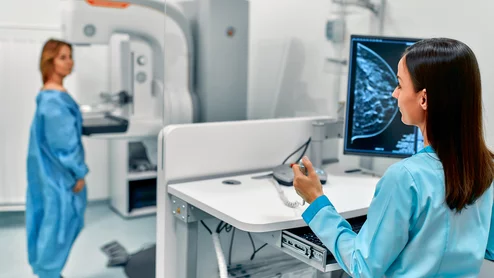
The federal payment program and its third-party partner, Acumen LLC, are now sending surveys to imaging groups that administered 10 or more screening mammograms in 2024.
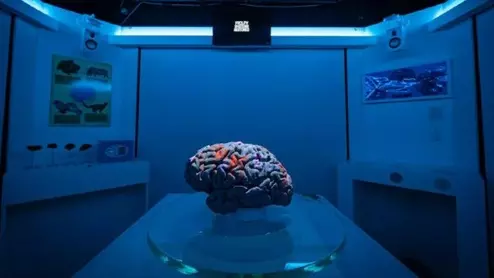
The unique and immersive experience begins with visitors being met with an urgent warning that an AI "evil brain” has begun to operate independently and with hostility, threatening to put the laboratory into lockdown.
The findings support the notion that it is never too late to quit smoking, as the benefits of doing so are clear, experts involved in the study suggested.
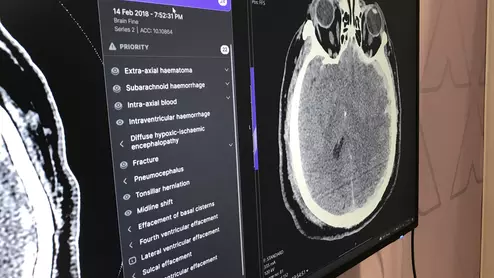
The Australia-based company made the announcement on April 12 in a release that described the timing of these AI-assisted solutions as “increasingly important” amid growing workloads and staffing shortages.
The FDA's description of the event aligns with prior reports speculating that the accident involved a staff member transporting a patient to an MRI suite on a hospital bed, which was allegedly sucked into the MRI bore.
As radiology departments across the US continue to navigate the complexities of the current imaging market, including disruptions in supply chains and increased demand for CT contrast media, one constant remains: the need for reliable, quality supply partners to help sustain patient care.
Thanks to AI, clinicians can use mammograms to do a lot more than identify signs of breast cancer. Researchers explored data from nearly 50,000 patients, presenting their findings in Heart.