Physicians made their plea in in the February issue of the JACR, which is focused on the “Economics of Education,” and meant to spark “dialogue around how radiology education is valued, supported and delivered.”
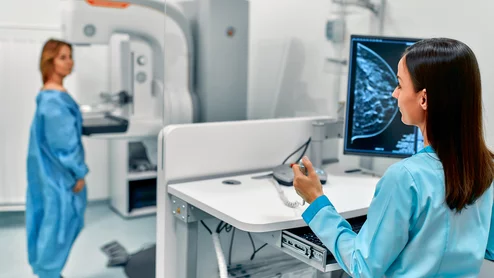
The federal payment program and its third-party partner, Acumen LLC, are now sending surveys to imaging groups that administered 10 or more screening mammograms in 2024.
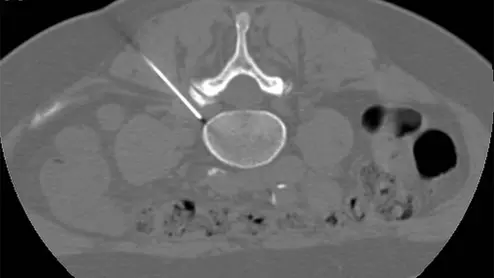
In PRF procedures, a probe is used to intermittently apply energy directly to the dorsal root ganglia, which is often where pain and neurologic symptoms associated with sciatica originate.
Researchers at the University of California Los Angeles combined multimodal brain MRIs with clinical and personal data from 183 men and women to identify sex-specific brain signatures that could be indicative of what causes a person to develop obesity.
Most patients who received mechanical ventilation for COVID-19 at a busy European hospital not only survived but also showed no scarring or thickening on lung CT at two years post-discharge.
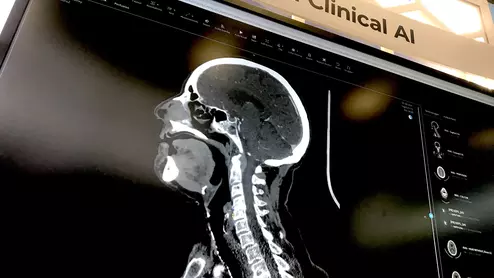
Radiology makes up the vast majority of FDA-cleared AI algorithms, but with minimal or no reimbursement, hospital administrators may ask whether AI’s value justifies its expense.
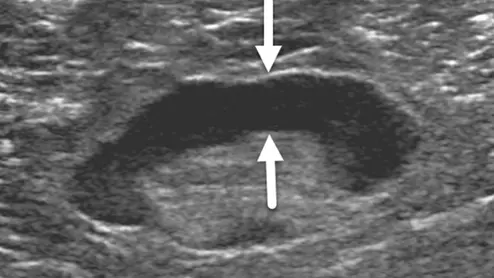
Experts recently questioned the necessity of scanning the axilla region during diagnostic breast ultrasound, as new data indicate that it is minimally beneficial for cancer detection.
As radiology departments across the US continue to navigate the complexities of the current imaging market, including disruptions in supply chains and increased demand for CT contrast media, one constant remains: the need for reliable, quality supply partners to help sustain patient care.
Thanks to AI, clinicians can use mammograms to do a lot more than identify signs of breast cancer. Researchers explored data from nearly 50,000 patients, presenting their findings in Heart.