Radiologists, meanwhile, took to social media to criticize the endeavor, noting that the generative AI company lacks clinical evidence to back its marketing claims.
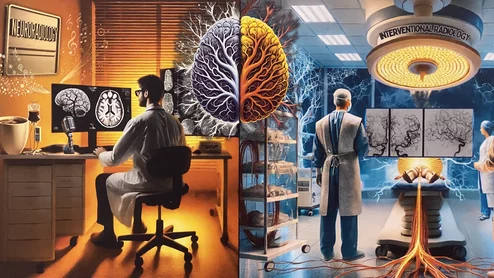
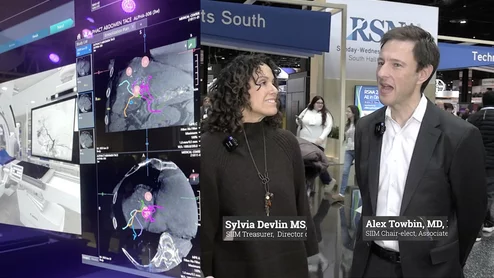
The proportion of radiologists performing some (>0%) IR-related work declined from 70% in 2008 down to 50% by 2023, according to new research published in JVIR.
The Los Angeles-based imaging group believes the move will make its DeepHealth subsidiary the “largest provider of radiology clinical AI solutions worldwide.”
Surgeon, researcher and billionaire entrepreneur Patrick Soon-Shiong, MD, and his company NantWorks led the funding round with participation from several others.
Thomas McNalley previously sued Toledo Radiological Associates and Vincent Keiser, MD, alleging the physician failed to diagnose a blood clot in his abdomen.
DeepHealth, RadNet's technology subsidiary, believes the product can help to address imaging workforce challenges plaguing the EU, similar to the States.
RadNet Chaiman and CEO Howard Berger, MD, explains why the company has invested tens of millions into DeepHealth to rapidly build up a new business model.
Thanks to AI, clinicians can use mammograms to do a lot more than identify signs of breast cancer. Researchers explored data from nearly 50,000 patients, presenting their findings in Heart.
A new analysis is prompting questions regarding how rigorously many of the AI-enabled tools approved by the U.S. Food and Drug Administration are evaluated prior to their clearance.