Radiologists, meanwhile, took to social media to criticize the endeavor, noting that the generative AI company lacks clinical evidence to back its marketing claims.
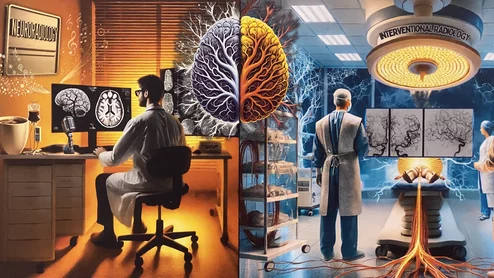
The proportion of radiologists performing some (>0%) IR-related work declined from 70% in 2008 down to 50% by 2023, according to new research published in JVIR.
Physicians made their plea in in the February issue of the JACR, which is focused on the “Economics of Education,” and meant to spark “dialogue around how radiology education is valued, supported and delivered.”
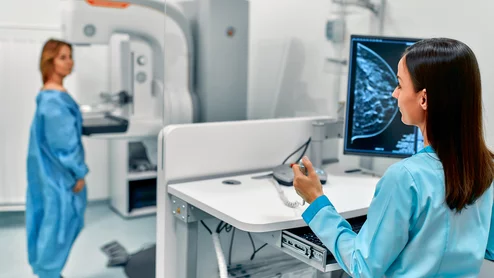
The federal payment program and its third-party partner, Acumen LLC, are now sending surveys to imaging groups that administered 10 or more screening mammograms in 2024.
Many cardiologists overseas contend they should be the ones reading these exams, citing radiologists’ lack of clinical context as a key factor, especially for remote reads.
RadNet Chaiman and CEO Howard Berger, MD, explains why the company has invested tens of millions into DeepHealth to rapidly build up a new business model.
Thanks to AI, clinicians can use mammograms to do a lot more than identify signs of breast cancer. Researchers explored data from nearly 50,000 patients, presenting their findings in Heart.
A new analysis is prompting questions regarding how rigorously many of the AI-enabled tools approved by the U.S. Food and Drug Administration are evaluated prior to their clearance.