Magazine

Thumbnail

Germany's ground-breaking use of CT scanners in ambulances to assess for possible stroke inspired one program in Houston to follow suit. Supporters predict it will transform care in the future. 

Example of a RF burn from an MRI scan where a sedated patient's identification bracelet was touching their skin during an exam. Image courtesy of RSNA. https://pubs.rsna.org/doi/10.1148/radiol.09090637

While MRI is often considered one of the safer imaging modalities due to its lack of ionizing radiation, other dangers remain for patients, with thermal burns being a chief concern. 

Thumbnail

As image exchange transitions to the cloud, PACS peripherals such as CD burners are incorporating this innovation into their designs.

Thumbnail

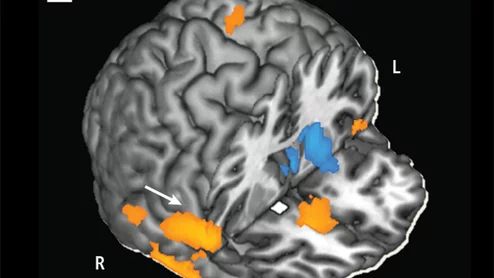
Cocaine addiction can ruin a person physically and financially, and with an estimated 1.4 million cocaine users in the U.S., thousands will become trapped by their habit. While previous research on the drug and its addictive potential were observational and subjective, imaging is reshaping how we see addiction—and how it will be treated.

northwest_imageshare.png

Getting images via health information exchange represents a unique technical challenge—and opportunity for collaboration. Watch the video.

Imaging faces ongoing measures aimed at reining in utilization. Smart practices have tapped into a variety of strategies to boost appropriate use.

Thought leaders aim to re-invent performance evaluation and measure factors like collaboration and patient satisfaction. 

Thumbnail

Radiologists are clinicians consultants. We direct clinical management based on our expert interpretation of patient images. Yet, in many cases, radiology reports may not reflect our clinical expertise. Common problems include overuse of vague terminology and omission of the impression. Addressing these flaws can go a long way toward meeting clinicians needs and improving patient care.

More facilities have turned to virtualization and cloud data storage as part of the comprehensive disaster recovery plan.

Imaging often the bedrock for first diagnosing and then treating cardiac disease remains challenging and inconsistent in women.

Thumbnail

Data are growing in size and scope. Radiology departments and imaging centers face unprecedented bandwidth challenges that stem from the need to store exponentially growing datasets. With bandwidth costs increasing and servers consuming valuable square footage, radiology is on the lookout for a new solution. Cloud storage may fit the bill.

For cardiology PACS, the explosion of cardiac-related advances across imaging modalities has created demand for expanded capabilities beyond simple image storage and distribution, providing physicians with access to patient-specific information related to images and reports within the facility or externally. Meanwhile, with this increased volume of image data, cardiologists also need to have access to more extensive patient data, such as hemodynamic monitoring, EKG and electronic medical record (EMR) information to create structured reports.