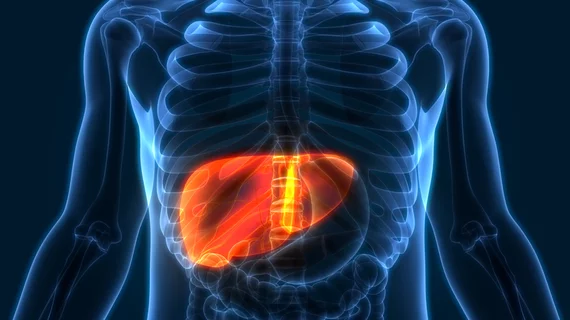
The added indications make the treatment the first Y-90 therapy approved for both unresectable hepatocellular carcinoma and metastatic colorectal cancer of the liver.
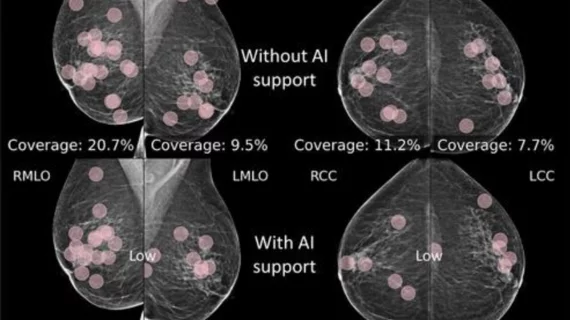
Rather than test artificial intelligence's ability to detect malignant lesions on imaging, researchers instead recently explored how it impacts radiologists' interpretation processes.
New research suggests the technique can effectively break down amyloid fibrinogen microclots, which are believed to interfere with perfusion and cause inflammation.
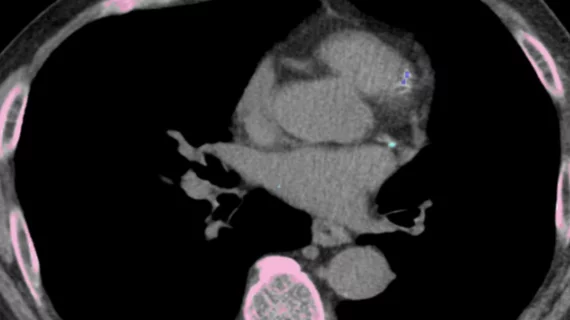
The model spots previously undetected scarring patterns on cardiac MRI scans of patients with hypertrophic cardiomyopathy—a leading cause of sudden cardiac death among young people.
Although most radiology organizations agree that [18F]FDG PET/CT can provide valuable information in these patients post-treatment, their recommendations differ on its use.