• Imaging
      |Imaging
    • Cardiac
    • Clinical Research
    • COVID
    • Interventional
    • Molecular
    • Neuro
    • Nuclear
    • Oncology
    • Orthopedic
    • Radiation Oncology
    • Screening
    • Women's
  • Technology
      |Technology
    • Artificial Intelligence
    • Contrast
    • CT
    • Enterprise Imaging
    • Imaging Informatics
    • Informatics
    • MRI
    • PACS
    • PET/CT
    • Ultrasound
    • X-Ray
  • Management
      |Management
    • Education & Training
    • Leadership
    • Patient Care
    • Policy & Regulations
    • Practice Management
    • Professional Associations
    • Quality
    • Staffing
  • Videos
  • Conferences
      |Conferences
    • ACC
    • AHRA
    • ACR
    • ARRS
    • ASRT
    • RBMA
    • RSNA
    • SBI
    • SCCT
    • SIIM
    • SIR
    • SNMMI
  • Custom Content
      |Custom Content
    • Experience Stories
    • Webinars & Videos
  • Subscribe

Search form

Home

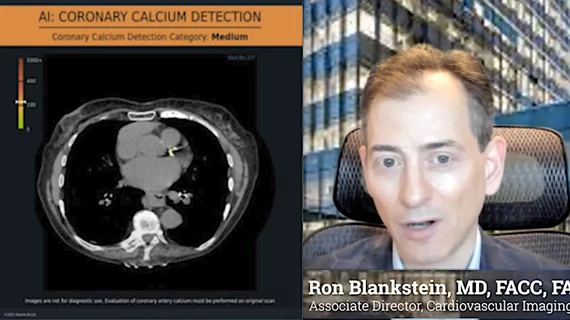
Use of AI opportunistic screening in CT for cardiovascular disease

Ron Blankstein, MD, Brigham and Womens Hospital, explains a study using AI opportunistic screening in non-cardiac CT scans looking for coronary artery disease.

Ron Blankstein, MD, professor of radiology, Harvard Medical School, explains the use of artificial intelligence to detect heart disease in non-cardiac CT exams.

  • Read more about Use of AI opportunistic screening in CT for cardiovascular disease

ACR shares guidance for radiology providers facing IV supply shortages after hurricane

IV hospital room intravenous drip solution

Baxter’s North Cove manufacturing site was significantly impacted by unprecedented rain and storm surge from Hurricane Helene hitting western North Carolina. 

  • Read more about ACR shares guidance for radiology providers facing IV supply shortages after hurricane

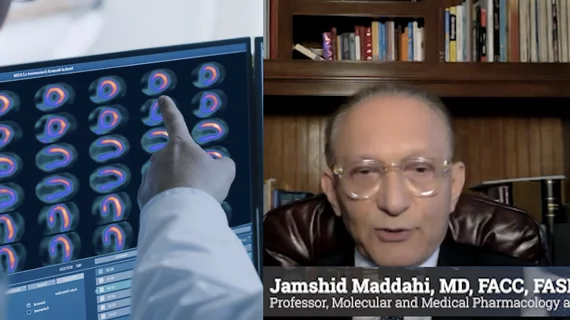
A closer look at how FDA's flurpiridaz approval will impact nuclear cardiology

Video of Jamshid Maddahi, MD, UCLA, explaining why flurpiridaz will change cardiac imaging and increase the adoption of PET cardiac imaging.

The newly approved PET radiotracer is expected to improve patient care significantly. “We have been able to reach the pinnacle of myocardial perfusion imaging with flurpiridaz," one expert said.

  • Read more about A closer look at how FDA's flurpiridaz approval will impact nuclear cardiology

Ultra-high field MRI implicates long COVID in brainstem damage

long covid brainstem damage

Photo by Andrea Piacquadio via Pexels 

Researchers have used 7T MRI to demonstrate that former COVID-19 inpatients are susceptible to persistent brainstem abnormalities associated with long-haul COVID symptoms.

  • Read more about Ultra-high field MRI implicates long COVID in brainstem damage

ChatGPT is overly worried about ED patients

artificial intelligence healthcare industry digest

Photo by Emiliano Vittoriosi via Unsplash

The popular AI chatbot tends to over-order X-rays, prescribe too many antibiotics and admit too many patients to the hospital when compared with a resident emergency department physician. 

  • Read more about ChatGPT is overly worried about ED patients

Low doses of radiation still increase risk of leukemia, lymphoma and myeloma

X-ray dose monitoring badges for cath lab staff at Banner Health's ambulatory surgical center (ASC) in Sun City, Arizona. Photo by Dave Fornell

A new study found cumulative radiation exposure of 16 mSv to red bone marrow can cause an increased rate of some hematological malignancies.

  • Read more about Low doses of radiation still increase risk of leukemia, lymphoma and myeloma

Is ultrasound necessary for all interventional procedures requiring femoral artery access?

Several such IR procedures require US guidance, but a new study is questioning the modality’s effectiveness in reducing complication rates. 

  • Read more about Is ultrasound necessary for all interventional procedures requiring femoral artery access?

Incidental finding characteristics that warrant communication

doctors.jpg

Three factors are associated with true high-risk findings—imaging protocols for aortic valve implantation planning, imaging area, and cardiology department orders.

  • Read more about Incidental finding characteristics that warrant communication

'This could be a paradigm shift': How PET with newly approved flurpiridaz compares to SPECT

AURORA trial results for Flurpiridaz F-18 PET vs. SPECT discussed by principal investigator Jamshid Maddahi, MD.

GE HealthCare's flurpiridaz, the PET radiotracer that recently received FDA approval, offers several key benefits over SPECT. Jamshid Maddahi, MD, discussed the details in an exclusive interview. 

  • Read more about 'This could be a paradigm shift': How PET with newly approved flurpiridaz compares to SPECT

AI accurately predicts breast cancer years before diagnosis

Artificial intelligence can help make breast cancer screening mammography more accurate.

This information could help providers personalize breast cancer screening strategies and initiate treatment earlier.

  • Read more about AI accurately predicts breast cancer years before diagnosis

Pagination

    • First page « First
    • Previous page ‹ Previous
    • Page …63
    • Page 64
    • Page 65
    • Page 66
    • Current page 67
    • Page 68
    • Page 69
    • Page 70
    • Page 71 …
    • Next page Next ›
    • Last page Last »
Subscribe
  • Home
  • News
  • Article Archive
  • Custom Content
  • Webinars
  • Press Releases
  • Content Studio
  • Advertising
  • Submit Press Release
  • Contact Us
  • Terms of Use
  • Privacy Policy
  • Cardiovascular Business
  • HealthExec
  • Radiology Business
 
© 2026 Innovate Healthcare | All Rights Reserved. | Terms of Use | Privacy Policy
 
Design by Adaptive Theme