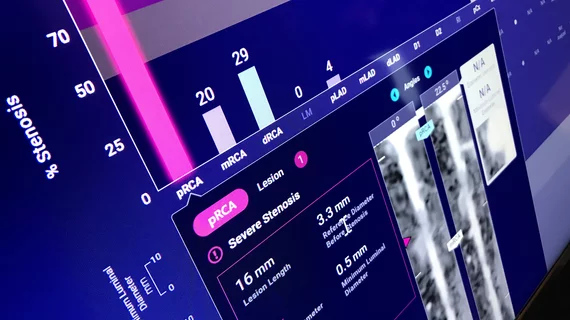
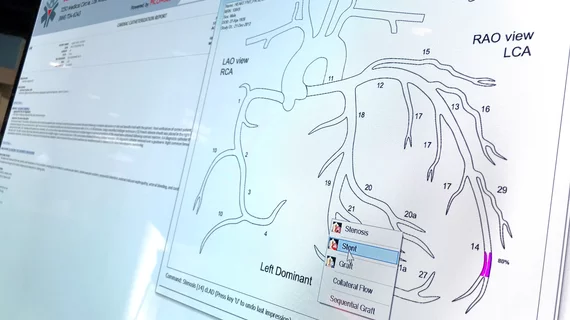
An example of an FDA cleared radiology AI algorithm to automatically take a cardiac CT scan and identify, contour and quantify soft plaque in the coronary arteries. The Cleerly software then generates an automated report with images, measurements and a risk assessment for the patient. This type of quantification is too time consuming and complex for human readers to bother with, but AI assisted reports like this may become a new normal over the next decade.
There are now more than 520 FDA-cleared AI algorithms and the majority are for radiology and cardiology, raising the question of who is liable if the AI gets something wrong.
Virtual consultations help diminish the effects of reading room “chaos” owed to frequent interruptions, which can occur up to 27 times per hour for radiologists.
The data, published in Clinical Imaging, reveal that more than 20% of respondents have witnessed scientific fraud within their department and more than 85% reported the issue of publication bias.
The human author reviewing the article wrote about the benefits and inherent risks of utilizing AI in a medical publication setting, concluding that, overall, it could be “a powerful tool” used in the future of medical publishing—when used with caution.
The neuroradiology specialist offered insight into the imaging findings of a 33-year-old man who is charged with two counts of premeditated first-degree murder.
Concerningly, nearly 80% of physicians described their burnout as “moderate to severe,” and one in five respondents reported self-medicating with alcohol to cope with their depressive symptoms.
Brent Savoie, MD, JD, vice chair for radiology informatics, section chief of cardiovascular imaging, Vanderbilt University, explains who will get sued when there is a misdiagnosis due to artificial intelligence (AI).
Results demonstrate how implementing adjusted procedures to limit radiation exposures for children may lower cancer risks and save on health care costs.
Signify Research shares the latest big trends in cardiovascular IT systems, including the role of EMR cardiology modules vs. third-party CVIS, structured reporting, integration into enterprise imaging and inclusion of ambulatory surgical centers.