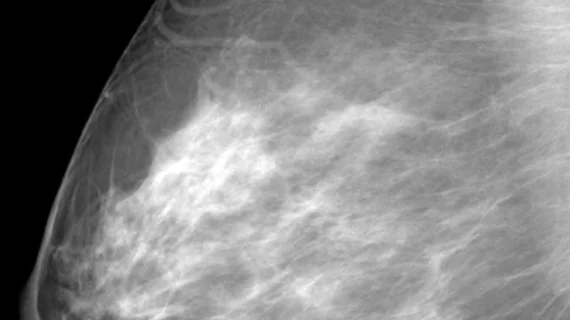
Researchers are recommending a multi-modal approach to breast density education after survey results found that a "one size fits all" method fails many women.
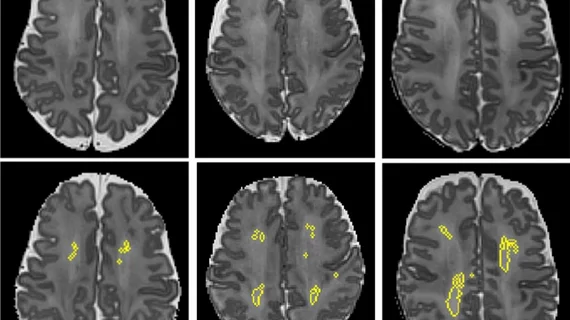
Scientists involved in the study believe the innovative technology has exciting potential to improve screening, prognosis and treatment, according to research published in Scientific Reports.
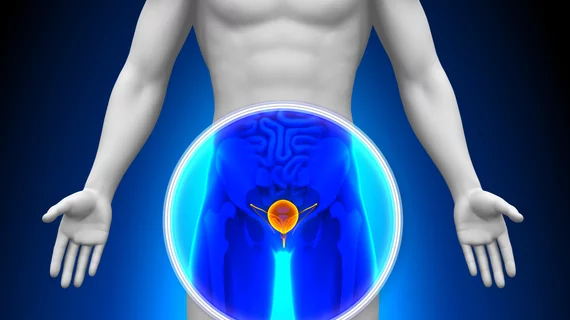
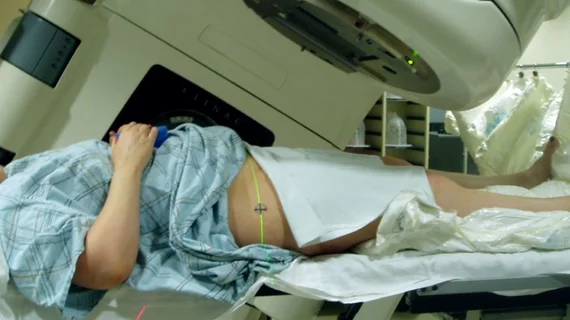
CT surveillance is the standard of care for postoperatively monitoring testicular cancer, but when patients must undergo scans every few months after surgery, accumulative radiation exposure becomes a concern.
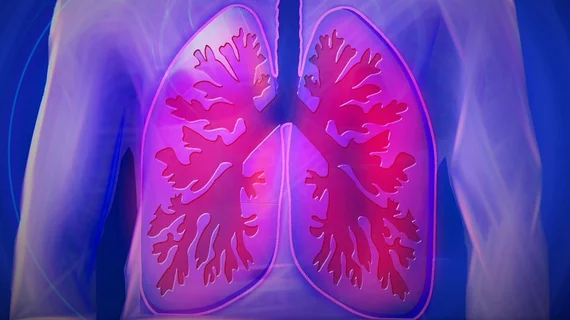
Research published recently in BMC Pulmonary Medicine examined associations between findings on low dose computed tomography screenings and other conditions, such as cardiovascular, respiratory and oncologic diseases.
The software was trained using more than 700 images and achieved a breast density classification accuracy of 89%, experts recently shared in Radiology: Artificial Intelligence.
Such reports sometimes unearth widespread variability in in the quality of outside imaging exams, a significant amount of which result in treatment changes.
CTPA is the standard of care for diagnosing PE, but suboptimal scans make it difficult to reach a diagnosis. A new Clinical Imaging study tests the effectiveness of AI when image quality is lacking.