Up to 30% of individuals with "long COVID" continue to suffer from lingering coughs and dyspnea months after recovering from the infection, despite having milder cases.
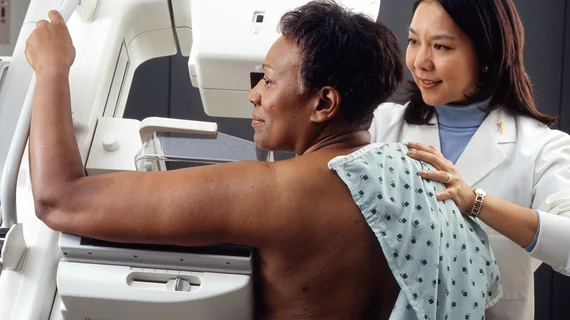
Women with breast arterial calcifications are 51% more likely to develop heart disease or have a stroke, experts explained recently in Circulation: Cardiovascular Imaging.
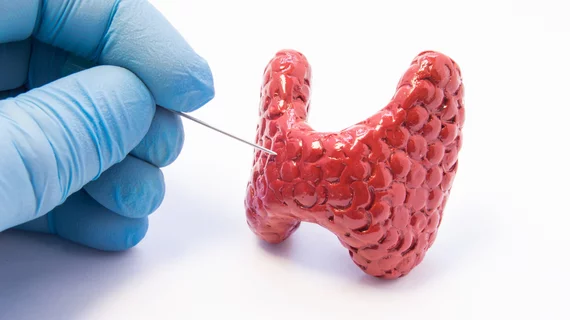
Using the American College of Radiology's TI-RADS can cut back on biopsies by more than 50%, according to a new comparative analysis published in Cureus.
The Society of Nuclear Medicine and Molecular Imaging's program was established to ensure that institutions adhere to the strict regulatory training, qualification and performance standards necessary to safely deliver radiopharmaceutical therapies.
William A. Zoghbi, MD, is the chair of the Department of Cardiology at the Houston Methodist DeBakey Heart and Vascular Center, and past president of both the American College of Cardiology and the American Society of Echocardiography.
William A. Zoghbi, MD, past president of the ACC and ASE, discussed the latest trends in cardiac ultrasound technology.
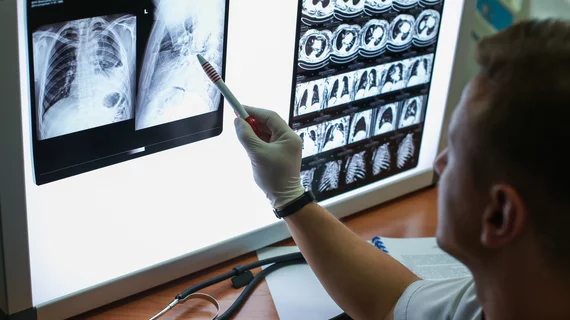
New research published in Clinical Imaging links specific adverse findings on chest imaging of COVID patients to ICU admission, need for intubation and length of hospital stay.
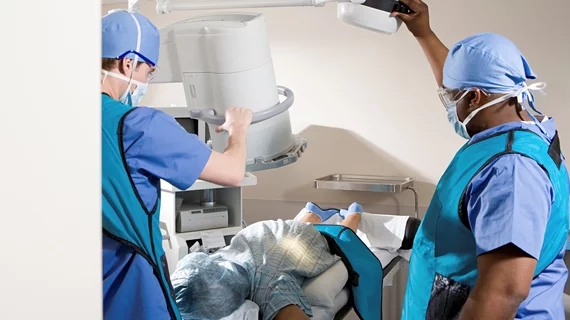
Survey results published in CardioVascular and Interventional Radiology reveal how interventional departments fared during the first two waves of the pandemic, as well as how organizations are preparing for future outbreaks.
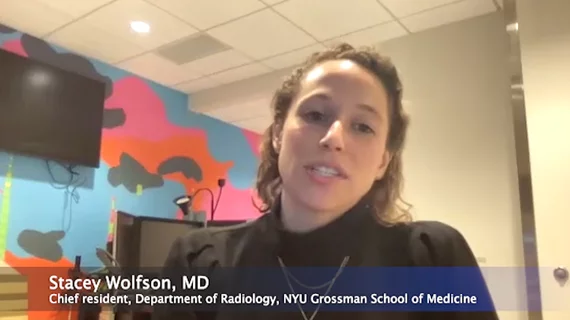
In an exclusive video, Stacey Wolfson, MD, and Beatriu Reig, MD, MPH, from the NYU Grossman School of Medicine, discuss the findings of their new analysis.
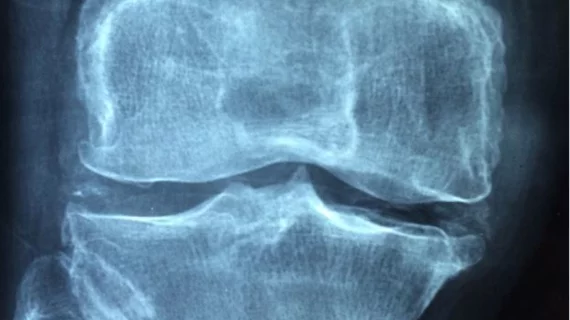
Many decision support tools catered to knee osteoarthritis have emerged in recent years, but external validation that ensures these algorithms can operate in a clinical setting has been lacking.
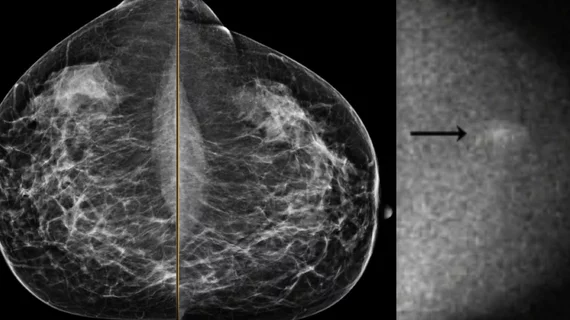
An example of a mammogram with some dense breast tissue that was deemed to not have cancer, and molecular breast imaging (MBI) study of the same women showing increased metabolic activity in the dense area, revealing a caner. Image from Mayo Clinic.
There are not yet consensus-based guidelines available for screening women with dense breast tissue, so researchers at Mayo Clinic recently developed a set of recommendations regarding supplemental screening.