• Imaging
      |Imaging
    • Cardiac
    • Clinical Research
    • COVID
    • Interventional
    • Molecular
    • Neuro
    • Nuclear
    • Oncology
    • Orthopedic
    • Radiation Oncology
    • Screening
    • Women's
  • Technology
      |Technology
    • Artificial Intelligence
    • Contrast
    • CT
    • Enterprise Imaging
    • Imaging Informatics
    • Informatics
    • MRI
    • PACS
    • PET/CT
    • Ultrasound
    • X-Ray
  • Management
      |Management
    • Education & Training
    • Leadership
    • Patient Care
    • Policy & Regulations
    • Practice Management
    • Professional Associations
    • Quality
    • Staffing
  • Videos
  • Conferences
      |Conferences
    • ACC
    • AHRA
    • ACR
    • ARRS
    • ASRT
    • RBMA
    • RSNA
    • SBI
    • SCCT
    • SIIM
    • SIR
    • SNMMI
  • Custom Content
      |Custom Content
    • Experience Stories
    • Webinars & Videos
  • Subscribe

Search form

Home

AI predicts patients' future healthcare costs from chest x-rays

The technique combines AI with patient-specific health and cost information for a rough estimate on an individual's five-year healthcare expenditures.

  • Read more about AI predicts patients' future healthcare costs from chest x-rays

RSNA names winners of intracranial hemorrhage AI challenge

The challenge tasked teams with developing an algorithm capable of identifying and classifying subtypes of hemorrhages on head CT scans.

  • Read more about RSNA names winners of intracranial hemorrhage AI challenge

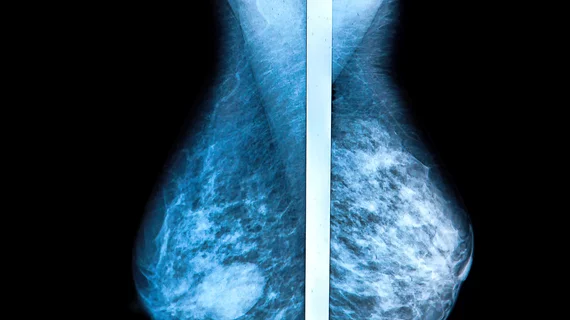
More frequent breast cancer screenings catch disease earlier

Annual mammography screenings find cancer in patients at a less advanced stage than those who have a mammogram every two years, according to a new study presented at the annual meeting of the Radiological Society of North America.

  • Read more about More frequent breast cancer screenings catch disease earlier

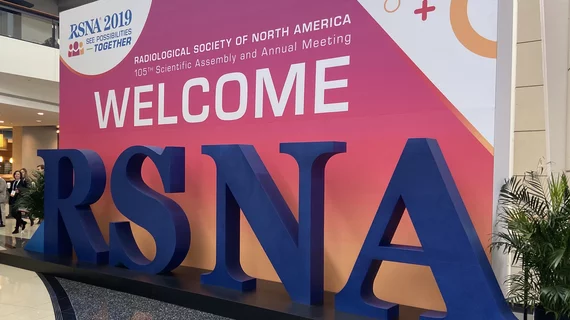
RSNA 2019: A revised perspective is central to a new era of patient-centered radiology

RSNA 2019

Valerie P. Jackson, MD, president of RSNA, suggested that radiologists look within themselves, step out of the reading room and connect with others to move toward this “long desired goal."

  • Read more about RSNA 2019: A revised perspective is central to a new era of patient-centered radiology

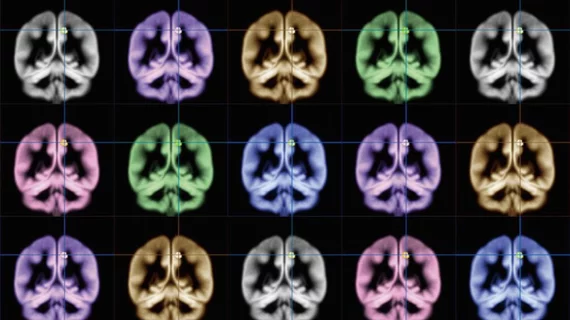
Machine learning creates image ‘atlas' to improve disease diagnoses

Massachusetts Institute of Technology researchers harnessed machine learning to create conditional atlases that can help clinicians diagnose a wider subset of patients. 

  • Read more about Machine learning creates image ‘atlas' to improve disease diagnoses

Congress introduces bill to cover DBT exams for TRICARE beneficiaries

The “Better and Robust Screening Today Act” would mandate the Department of Defense to cover DBT screenings, a modality lawmakers say is the best tool available for detecting breast cancer.


  • Read more about Congress introduces bill to cover DBT exams for TRICARE beneficiaries

Historic medical objects imaged for insights

Manikin

Photo courtesy of Fides R. Schwartz, Duke Radiology and RSNA.

Duke researchers have used micro CT to peer deep into medicine’s past.

  • Read more about Historic medical objects imaged for insights

New research finds gadolinium retention in the cerebral cortex, debunking conventional wisdom

Gadolinium-based contrast agents were found in multiple areas of the brain's cerebral cortex, central to cognition, regulating behavior and consciousness, according to research published in Radiology.

  • Read more about New research finds gadolinium retention in the cerebral cortex, debunking conventional wisdom

Canon Medical Systems acquires Swiss MRI research and development company Skope Magnetic Resonance Technologies AG

Canon Medical Systems Corporation has concluded a contract to acquire all shares of Skope Magnetic Resonance Technologies AG.

  • Read more about Canon Medical Systems acquires Swiss MRI research and development company Skope Magnetic Resonance Technologies AG

Ultrasound treatment relieves tremors, improves quality of life in Parkinson’s patients

Magnetic resonance-guided focused ultrasound thalamotomy is immediately effective and requires a shorter hospital stay compared to traditional methods such as deep brain stimulation.

  • Read more about Ultrasound treatment relieves tremors, improves quality of life in Parkinson’s patients

Pagination

    • First page « First
    • Previous page ‹ Previous
    • Page …411
    • Page 412
    • Page 413
    • Page 414
    • Current page 415
    • Page 416
    • Page 417
    • Page 418
    • Page 419 …
    • Next page Next ›
    • Last page Last »
Subscribe
  • Home
  • News
  • Article Archive
  • Custom Content
  • Webinars
  • Press Releases
  • Content Studio
  • Advertising
  • Submit Press Release
  • Contact Us
  • Terms of Use
  • Privacy Policy
  • Cardiovascular Business
  • HealthExec
  • Radiology Business
 
© 2026 Innovate Healthcare | All Rights Reserved. | Terms of Use | Privacy Policy
 
Design by Adaptive Theme