• Imaging
      |Imaging
    • Cardiac
    • Clinical Research
    • COVID
    • Interventional
    • Molecular
    • Neuro
    • Nuclear
    • Oncology
    • Orthopedic
    • Radiation Oncology
    • Screening
    • Women's
  • Technology
      |Technology
    • Artificial Intelligence
    • Contrast
    • CT
    • Enterprise Imaging
    • Imaging Informatics
    • Informatics
    • MRI
    • PACS
    • PET/CT
    • Ultrasound
    • X-Ray
  • Management
      |Management
    • Education & Training
    • Leadership
    • Patient Care
    • Policy & Regulations
    • Practice Management
    • Professional Associations
    • Quality
    • Staffing
  • Videos
  • Conferences
      |Conferences
    • ACC
    • AHRA
    • ACR
    • ARRS
    • ASRT
    • RBMA
    • RSNA
    • SBI
    • SCCT
    • SIIM
    • SIR
    • SNMMI
  • Custom Content
      |Custom Content
    • Experience Stories
    • Webinars & Videos
  • Subscribe

Search form

Home

Novel PET method improves detection of prostate cancer recurrence

Researchers compared prostate-specific membrane antigen (PSMA) PET/CT to traditional 18F-fluciclovine PET/CT for the detection of biochemically recurrent prostate cancer.

  • Read more about Novel PET method improves detection of prostate cancer recurrence

Prepare for more AI at RSNA 2019

The 2019 Radiological Society of North America (RSNA) annual meeting in Chicago is expanding its artificial intelligence offerings.

  • Read more about Prepare for more AI at RSNA 2019

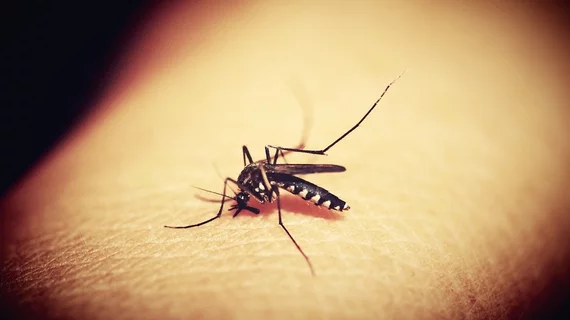
Neuroimaging important for evaluating Zika-exposed infants

MRI and CT scans of infants exposed to the Zika virus in the womb revealed a range of brain abnormalities, reported authors of a recent study published in JAMA Network Open. The findings place neuroimaging as an important step in evaluating such patients.

  • Read more about Neuroimaging important for evaluating Zika-exposed infants

AI boosts accuracy of DBT, slashes radiologists’ reading times

Utilizing an AI system for digital breast tomosynthesis (DBT) can improve radiologists’ accuracy while dramatically reducing reading times, according to a new study published in Radiology: Artificial Intelligence.  

  • Read more about AI boosts accuracy of DBT, slashes radiologists’ reading times

Do young patients face cataract risks from head CTs?

Head exams are the most common CT examination among young people, but can the radiation dose cause cataracts when the lens of the eye is included in the scan?

  • Read more about Do young patients face cataract risks from head CTs?

Fujifilm Sonosite and Partners Healthcare endeavor to make point-of-care ultrasound accessible for higher quality patient care

Collaboration to develop artificial intelligence (AI) enhanced ultrasound technology aimed at increasing the utility of ultrasound and improving our nation’s healthcare system.

  • Read more about Fujifilm Sonosite and Partners Healthcare endeavor to make point-of-care ultrasound accessible for higher quality patient care

Are patients undergoing unnecessary gated calcium CT imaging?

“Knowledge of CAC on a prior chest CT may eliminate the need for a subsequent dedicated gated calcium score CT, leading to earlier diagnosis and management of cardiovascular disease as well as decreasing radiation exposure and health care costs,” wrote authors of a recent study.

  • Read more about Are patients undergoing unnecessary gated calcium CT imaging?

Smoking presents dangers for patients undergoing embolization in lungs

"Smoking cessation is very important if these patients want to help themselves and avoid further procedures," authors of the study published in Radiology wrote. "We should urge current smokers to stop smoking before treatment."

  • Read more about Smoking presents dangers for patients undergoing embolization in lungs

Novel imaging method limits radiation dosage from PET, SPECT scans

A team of Japan-based researchers have created a medical camera capable of detecting and imaging radiotracers used in both PET and SPECT scans with limited radiation dosage.

  • Read more about Novel imaging method limits radiation dosage from PET, SPECT scans

NIH awards $47M for imaging study investigating lifestyle changes and brain health

The U.S. National Institute on Aging (NIA) has awarded a five-year $47 million grant to the University of California, Berkeley to incorporate imaging into an ongoing study investigating whether lifestyle changes can help protect against dementia.

  • Read more about NIH awards $47M for imaging study investigating lifestyle changes and brain health

Pagination

    • First page « First
    • Previous page ‹ Previous
    • Page …439
    • Page 440
    • Page 441
    • Page 442
    • Current page 443
    • Page 444
    • Page 445
    • Page 446
    • Page 447 …
    • Next page Next ›
    • Last page Last »
Subscribe
  • Home
  • News
  • Article Archive
  • Custom Content
  • Webinars
  • Press Releases
  • Content Studio
  • Advertising
  • Submit Press Release
  • Contact Us
  • Terms of Use
  • Privacy Policy
  • Cardiovascular Business
  • HealthExec
  • Radiology Business
 
© 2026 Innovate Healthcare | All Rights Reserved. | Terms of Use | Privacy Policy
 
Design by Adaptive Theme