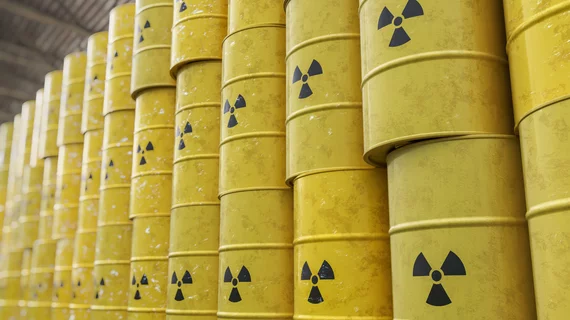
NorthStar Medical Radioisotopes has finished construction of its new molybdenum-99 (Mo-99) processing facility in Beloit, Wisconsin, the company announced on July 16.
The FDA has approved Bayer’s gadobutrol (Gadavist) injection for use in cardiac MRI, making it the first contrast agent approved for the imaging technique, according to a statement from Bayer.
Gadolinium-based contrast agents (GBCAs) are central to MRI exams, providing critical information unavailable with other modalities. However, some patients experience acute adverse reactions, and investigators of a recent study published in Radiology set out to get a clearer picture of these events.
The average salary of a radiologic technologist jumped by 5.3% over the past three years, according to figures released by the American Society of Radiologic Technologists (ASRT).
CMS revealed details for their newly proposed alternative payment model for radiation oncology on July 10. The American Society of Radiation Oncology (ASTRO) believes the model, with adjustments, "will incentivize higher quality, more convenient radiation treatments for patients and support their journey toward a cure."
A novel PET radiotracer can help identify changes in the brain’s grey matter that may be indicative of progressive multiple sclerosis (MS), according to a pilot study published in the July issue of Neurology: Neuroimmunology & Neuroinflammation.
The average base salary for radiologists continues to grow, checking in at $387,000, up 4.3% from $371,000 in 2017/2018, according to a new report from Merritt Hawkins.
Breast cancer screening using digital breast tomosynthesis has risen rapidly in the United States, but that isn’t the case in all regions or across all institutions, according to a new study published in Current Problems in Diagnostic Radiology.
Can a virtual world instill the same level of knowledge in radiology students as a traditional face-to-face classroom approach? Researchers of a new study published in the American Journal of Roentgenology think so.
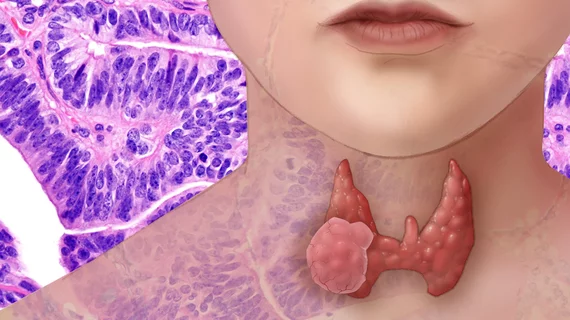
The algorithm improved the specificity of thyroid biopsy recommendations, beating seven of nine radiologists. With more research, the algorithm could help in the decision-making process for assessing thyroid nodules.