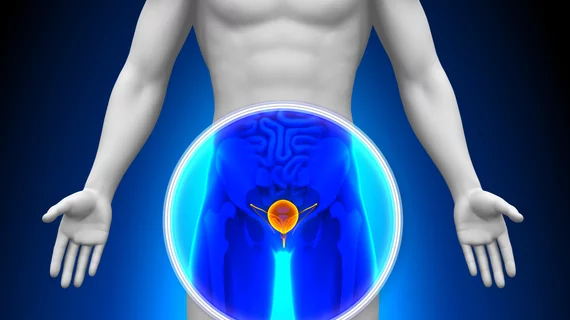
Authors of a recent Journal of Nuclear Medicine study have discovered potential for misdiagnosis when relying solely on prostate-specific membrane antigen (PSMA) PET imaging in prostate cancer staging.
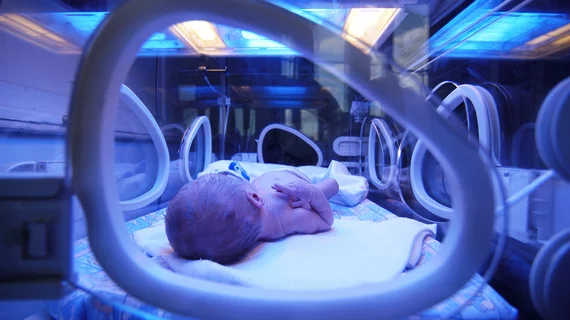
The first FDA-approved MRI system in the U.S. to provide medical imaging for newborns in a Neonatal Intensive Care Unit (NICU) was recently installed at Brigham and Women’s Hospital in Boston, NBC 10 reported on Sept. 8.
A new algorithm that can automatically map CT scan locations of patients on computational human phantoms may trump manual mapping techniques for patient dose monitoring, clinical trials and epidemiologic studies, detailed a study published online Sept. 5 in the Journal of Digital Imaging.
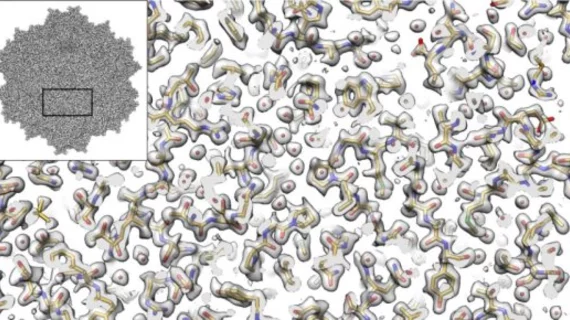
Researchers from the Salk Institute in San Diego and the University of Florida have used cryo-electron microscopy (cryo-EM) imaging to analyze a 3D model of the AAV2 virus. The advanced molecular imaging technique may demonstrate the potential for the virus to act as a delivery vehicle for gene therapies, according to research published Sept. 7 in Nature Communications.
Why do some people feel more pain than others? Using fMRI, researchers at Wake Forest School of Medicine in Winston-Salem, North Carolina, found the answer may lie in mindfulness, according to recent research published in PAIN.
Pediatric CT neuroimaging has not decreased in the last decade despite ongoing efforts to identify children with traumatic brain injury (TBI) who should avoid scans, according to research published in the September issue of Pediatrics.
The University of Queensland in Australia has opened its $8.5 million biomedical imaging center designed to tackle key questions related to treatment and prevention of diseases, according to the university.
Radiologists who are higher wage earners and more aware of the federal advocacy process are more likely to donate to radiology political action committees (PACs), according to recent research published in Current Problems in Diagnostic Radiology.
Carestream Health has started shipping a new version of software for its Carestream OnSight 3D Extremity System that offers new standard features as well as optional enhanced metal artifact reduction software that can improve visibility of anatomy around metallic objects.
A German-led research team has developed a new nuclear medicine imaging technique that outperforms standard tumor imaging by targeting cancer-associated fibroblasts (CAFs), according to research published in the September issue of the Journal of Nuclear Medicine.