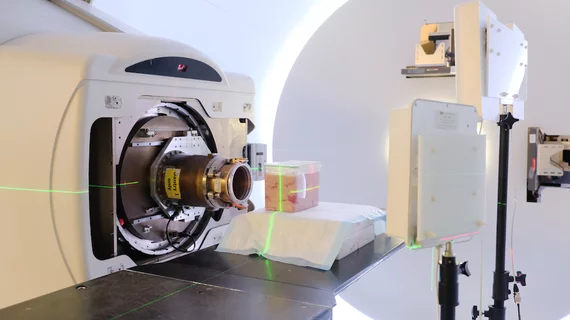
Researchers from Baylor University in Waco, Texas, found that pediatric patients with brain tumors who undergo radiation treatment are less likely to remember detailed events they’ve experienced after treatment, according to research published online Aug. 20 in Neuroscience.
CMS handed out $25 million more in Medicare payments to hospitals for specific radiation therapy planning services than was appropriate, according to an Office of the Inspector General (OIG) report.
Valvular heart disease patients who were black, women, older or used Medicaid were less likely to receive recommended transthoracic echocardiogram (TTE), according to a Massachusetts General Hospital study.
Courtesy of the Massachusetts Institute of Technology (MIT).
Tracking tumors inside the body may become easier with the help of a newly developed “in-body GPS” called Remix, developed by researchers at the Massachusetts Institute of Technology (MIT)’s Computer Science and Artificial Intelligence Laboratory (CSAIL) in collaboration with Massachusetts General Hospital.
Radiologists who had access to a visual aid were more confident when managing contrast media reactions than those without, according to recent research. The aids also correlated to faster epinephrine administration.
The project could produce MRI images up to 10 times faster and make MRI technology more widely available. These accelerated MRIs could also fill the role of x-ray and CT machines by making imaging quicker and safer, according to a Facebook news release.
Veterans who utilize Medicare and other fee-for-service health systems for prostate cancer care are more likely to receive guideline-discordant imaging than those treated at the Veterans Health Administration (VA), according to a study published Aug. 17 in JAMA Network Open.
Scottish health boards have sent nearly 400,000 radiology scans to external providers over the past three years, new data received by the Scottish Liberal Democrats shows.
A new clinical trial—brain xxygen optimization in severe traumatic brain injury, Phase 3 (BOOST-3)—will build off prior research with a goal of improving outcomes in those victims of severe TBI, according to a University of Michigan release.
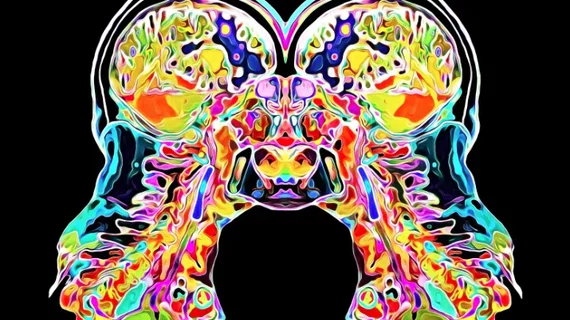
When not administering therapy to patients who had heart surgery, Trinley Dorje, a physiotherapy assistant in Toronto, is creating anatomical art from medical images of the human body, according to a report published Aug. 15 by CBC in Canada.