A $3 million partnership between the American College of Radiology’s Harvey L. Neiman Health Policy Institute and the Georgia Institute of Technology will establish a data analytics lab that will examine how policy impacts medical imaging, the Gwinnett Daily Post reported.
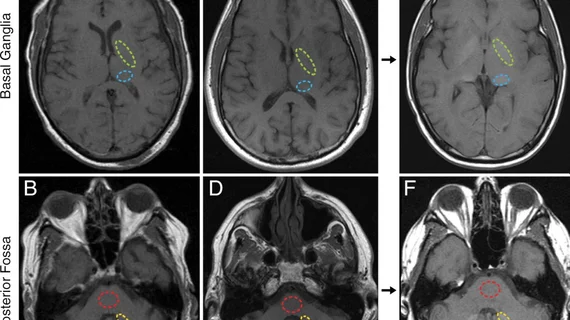
Researchers have found young adults' lifestyle choices can increase their risk of stroke and dementia later in life, even with good cardiovascular health and without evidence of cerebrovascular disease, according to an Aug. 21 study in the Journal of the American Medical Association.
Using patient-specific body weight-based protocols during whole-body fluorodeoxyglucose (18F-FDG) PET/CT can greatly reduce radiation dosage while maintaining image quality, according to authors of an Academic Radiology study.
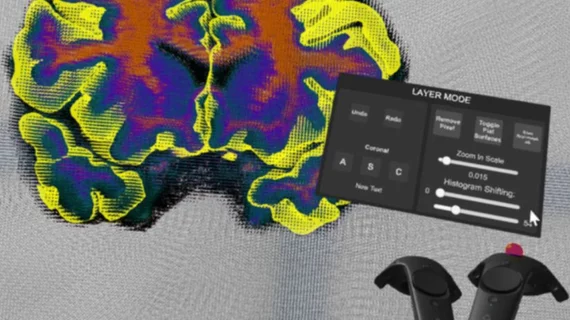
Courtesy of the University of Southern California.
Virtual Brain Segmenter (VBS), which automatically processes medical imaging data such as MRIs through segmentation, could increase the efficiency of brain scan analysis, according to a USC news release from Aug. 21.
MRI-guided thrombolysis using intravenous alteplase resulted in better functional outcomes in acute stroke patients with an unknown time of onset, according to a study in the Aug. 16 issue of the New England Journal of Medicine.
Rad Women—a networking group for women in radiology and imaging informatics also known as RADxx or #radxx—is now accepting nominations for its second annual awards program. The initiative began last year as a way of honoring women in the field, along with men and women who have supported career advancement of women in medical imaging informatics.
Mammography screening for women with a history of breast cancer has declined since the U.S. Preventive Services Task Force (USPSTF) released its 2009 guidelines recommending that mammography examinations be deferred until a woman is at least 50 years old.
Nanoscientists at Rice University in Houston have created a method to pack iron into nanoparticles to create MRI contrast agents that outperform gadolinium-based agents, according to research published in ACS Nano.
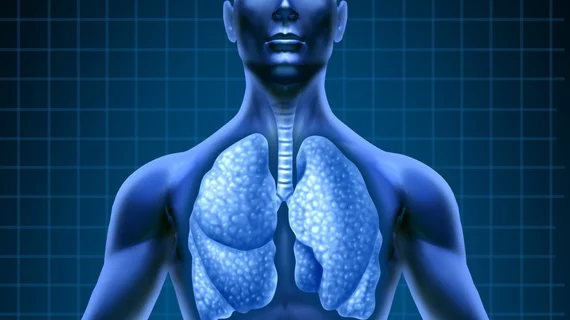
Engineers at the University of Central Florida's Center for Research in Computer Vision have developed an artificial intelligence (AI)-based system that can detect lung cancer on CT scans with 95 percent accuracy, according to a UCF news release.
ROCHESTER, N.Y., Aug. 22—Phoenixville Hospital in Pennsylvania installed a Carestream DRX-Evolution Plus System, two Carestream DRX-Revolution mobile x-ray systems and five DRX-1 systems to serve its radiology department, ER, OR, ICU and NICU.