Using functional MRI (fMRI), researchers from VU University Medical Center in Amsterdam found a correlation between white matter brain damage and atrophy in multiple sclerosis (MS) patients—a primary factor of cognitive impairment in patients with the disease.
Theresa May, Prime Minister of the United Kingdom, has pledged millions toward government funding that will develop a "new weapon"—artificial intelligence (AI) able to improve cancer and chronic disease diagnosis.
A recent JAMA study from University of Texas MD Anderson Cancer Center researchers found no correlation between intensity of post-treatment surveillance and detection of recurrence or survival in patients with stage I, II or III colorectal cancer (CRC).
Researchers have successfully used robot-assisted multispectral-fluorescence imaging to distinguish between healthy and diseased lymphatic flow patterns.
New research has found fetal MRI can reliably identify holoprosencephaly as early as 18 weeks into pregnancy, providing added time for parents to understand and prepare for the condition.
Researchers utilized a machine learning algorithm to determine that a higher rate of change—rather than actual value of cancer antigen 125 (CA125)—is associated with abdominal recurrence of ovarian cancer. Findings may help identify patients most likely to benefit from imaging surveillance of the disease.
The brain activity of individuals questioning gender identity may resemble those of their desired gender, according to an article published May 22 by The Telegraph.
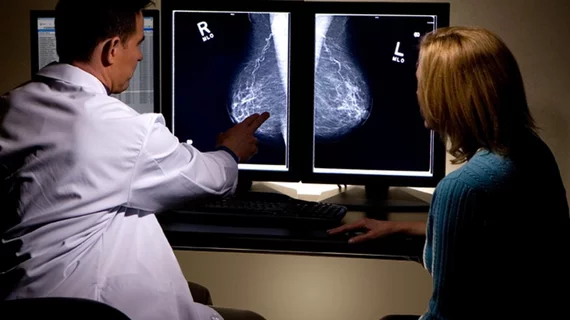
For patients without a breast cancer diagnosis, receiving second-opinion interpretations of breast imaging exams relieve anxiety while reducing patient morbidity and healthcare costs, according to a study published May 19 in the Journal of the American College of Radiology.
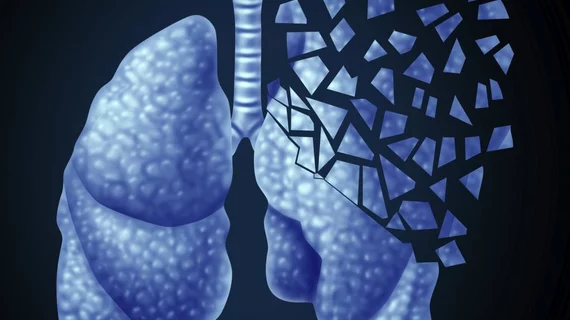
According to an ACR release, more than 220,000 people will be diagnosed with lung cancer in 2018 and nearly 160,000 will die from the disease. That exceeds all combined deaths from breast, colon and prostate cancer.
University College London Hospital (UCLH) and the Alan Turing Institute in London have entered a three-year partnership to allow artificial intelligence (AI) to perform a variety of clinical tasks otherwise done by nurses and physicians.