A deep neural network platform can help radiologists detect abdominal aortic aneurysms (AAAs) on CT images, and is especially helpful in clinically challenging cases, according to research presented at the SIIM annual conference.
The American College of Radiology (ACR) has expanded its ACR AI-LAB pilot program geared toward helping radiologists develop AI models without the use of coding language.
Blockchain could be used to streamline preauthorization, share images between institutions and empower patients. But if healthcare as a whole isn't interested in sharing data, no technology can solve the industry's imaging informatics problems.
A higher level of background parenchymal enhancement (BPE) measured during breast MRI is associated with the presence of breast cancer in women at high risk of breast cancer but not in women with average risk, according to a new study.
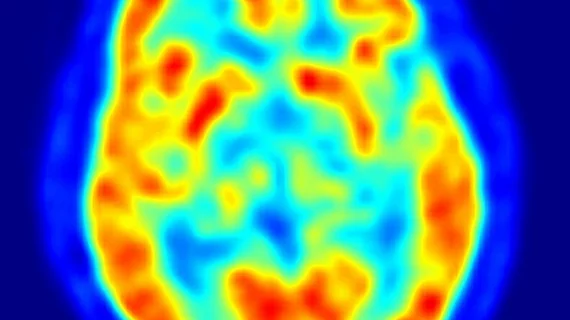
PET brain imaging using a new brain imaging paradigm yields preliminary evidence that tobacco smokers may have reduced neuroimmune function compared with non-smokers.
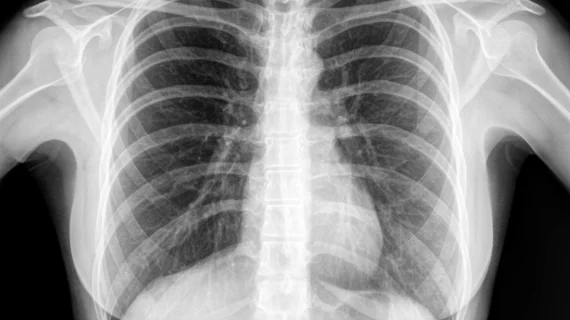
A convolutional neural network (CNN) approach can accurately identify and sub-classify suspected tuberculosis (TB) on chest radiographs, according to research presented at the Society for Imaging Informatics in Medicine (SIIM) annual meeting.
Predictions of heart attacks and deaths based on coronary computed tomography angiography (CCTA) are more accurate when made using an artificial intelligence (AI) algorithm than with the Coronary Artery Disease Reporting and Data System (CAD-RADS) or other risk assessment methods.
A new CT- and PET-imaging-based approach—one that entails applying big data to personalizing treatment protocols—is needed to better identify which head and neck carcinoma (HNC) patient subgroups respond to which specific therapies.