When combined with artificial intelligence-based noise reduction techniques, new photon-counting CT technology can increase the detection of bone disease while also decreasing radiation exposure.
Requests for urgent CT reads during the evening, overnight and on the weekends have increased more than 10-fold, causing a negative ripple effect throughout the radiology workforce, especially among trainees.
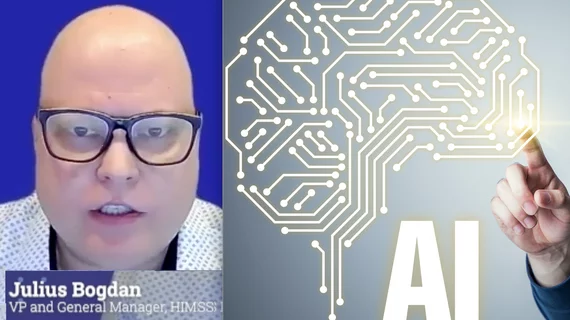
Julius Bogdan, vice president and general manager of the Healthcare Information and Management Systems Society (HIMSS) Digital Health Advisory Team for North America, explains several key artificial intelligence (AI) trends he sees across healthcare.
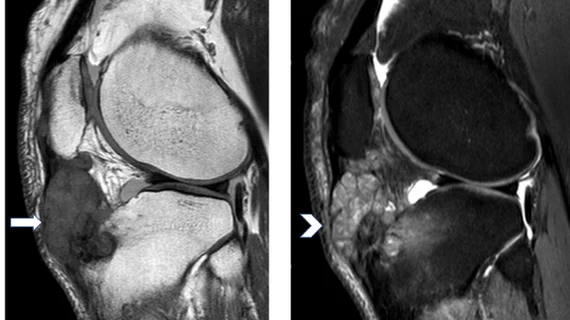
Image courtesy of the European Journal of Radiology.
Authors of the new EJR paper explained that, although most of these tumors present in a similar way—with a lump or localized pain—their origins are wide-ranging and require the use of additional imaging to characterize the lesion.
True positive rates of COVID pneumonia on chest CT are significantly lower in patients who are vaccinated against the virus in comparison to their unvaccinated peers.
Of those who completed post-symposium surveys, 100% agreed that they would recommend the event to others who are looking to expand their knowledge of breast imaging.
According to the new data, students believe that emerging technologies, including artificial intelligence, could eventually render some specialties obsolete.