Exposure to diagnostic low-dose ionizing radiation is associated with an increased risk of developing cancer among pediatric patients, according to a recent study published in JAMA Network Open.
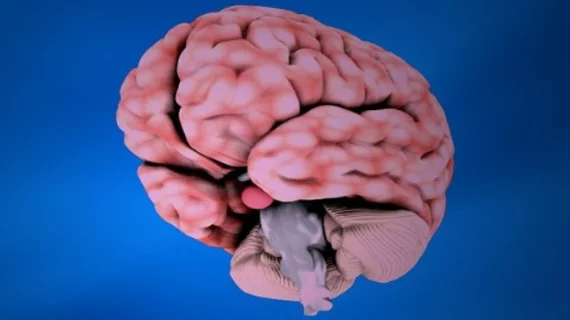
German researchers have found that physical fitness can actually improve brain structure and brain functioning in young people, according to a study presented at the European College of Neuropsychopharmacology (ECNP) Congress in Copenhagen.
“We anticipate that these expert multisocietal consensus recommendations on multimodality imaging in cardiac amyloidosis will standardize the diagnosis and improve the management of this highly morbid and underdiagnosed disease," wrote authors of the new guidelines published in the Journal of Nuclear Cardiology.
New research published in the New England Journal of Medicine has linked e-cigarette use to a cluster of respiratory illness cases identified on CT scans. The results add to the growing concern that vaping may cause lung damage, an idea manufacturers of vaping products have downplayed.
Photo courtesy of Queensland University of Technology (QUT).
Using imaging markers such as gummy candies or a plastic, fish-shaped container can alleviate children’s anxieties during MRI exams and cut costs for radiology departments, according to a recent Australian study published in BMJ Open.
Physicians with no coding experience are able to create AI algorithms to classify medical images at levels comparable to state-of-the-art platforms, according to a new study published in The Lancet Digital Health. However, some experts questioned whether those without experience should really be creating such technology.
Multiple nuclear medicine and cardiology groups are working to oppose potential cuts to myocardial PET scans that were made possible by the CMS 2020 Medicare Physician Fee Schedule (MPFS) proposed rule, according to a joint statement.
“Assessing (prostate cancer) PCa invasiveness as early as possible is essential for disease management, treatment choice, and patient prognosis,” wrote the authors of a new study published in Clinical Radiology.
A new MRI technique out of the Hebrew University of Jerusalem (HUJI) can show the molecular makeup of the brain, potentially helping clinicians diagnose neurodegenerative diseases such as Alzheimer’s.
AI is central to many large technology companies such as Facebook and Google, and may soon have a similar role in the medical imaging world, argued a group of radiologists in a new editorial published in Clinical Imaging.