The Medical Imaging & Technology Alliance (MITA) announced that Dennis Durmis, senior vice president of Bayer Radiology, Americas region, will be the next chair of its Board of Directors.
Pairing breast MRI with a test that characterizes breast cancer genes can lead to a more personalized treatment approach for patients with ductal carcinoma in situ (DCIS), reported authors of a recent study published in JAMA Oncology.
Although Variant 3 of the American College of Radiology (ACR) Appropriateness Criteria recommends performing non-contrast head CT (NCCT) on patients with sudden severe headache who do not present other high-risk features, researchers from Johns Hopkins Medical Center in Baltimore, Maryland found that performing emergency department (ED) NCCT scans on these patents has little value.
When it comes to follow-up imaging, location matters. That’s what authors of a new study found after comparing patient locations during initial imaging with the likelihood they came back for follow-up imaging.
On Thursday, Jan. 17, the Virginia's State Senate’s Education and Health Committee voted not to send the bill to the full state Senate for a vote, according to a recent report by the Daily Press in Newport News, Virginia.
The U.S. Food and Drug Administration (FDA) has cleared the Multix Impact, an affordably priced, floor-mounted digital radiography (DR) system from Siemens Healthineers that expands access to high-quality imaging and enhances the patient experience.
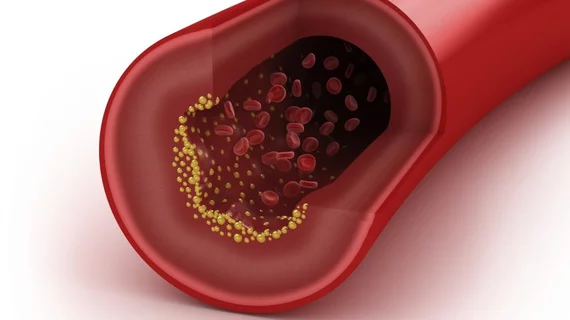
A CT angiography (CTA)-derived score that also incorporated the extent, location and composition of coronary plaque outperformed a model that focused only on the severity of stenosis, researchers reported Jan. 16 in JACC: Cardiovascular Imaging.
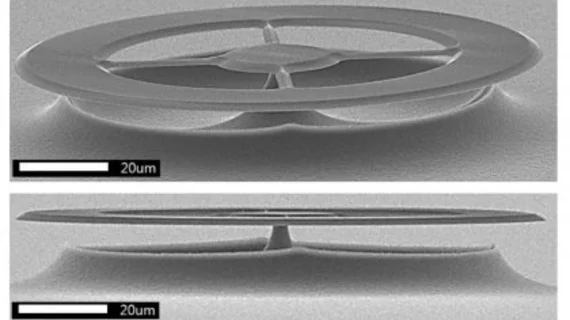
Researchers from the University of Queensland in Australia have developed “ultraprecise ultrasound” sensors that are sensitive enough to hear the formation of surrounding air molecules, according to new research published online Jan. 10 in Nature Communications.
Although online portals allow some patients to easily access their radiology reports, new research published Jan. 8 in the American Journal of Roentgenology found that lumbar spine MRI reports in particular are written at a reading level too advanced for the average patient to comprehend.